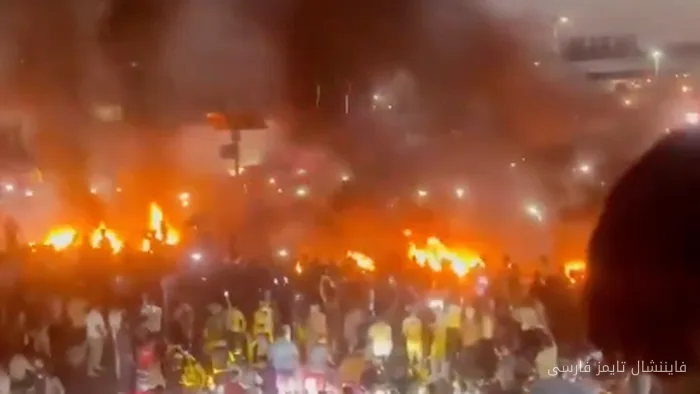
Protests in Syria due to rising fuel prices have sharply increased. According to reports, protesters in the provinces of Raqqa, Hasakah, and Deir ez-Zor have expressed their dissatisfaction with rising energy costs by blocking roads and halting oil tankers. These unrests are reminiscent of the food riots during the Arab Spring 15 years ago.
Causes of the Unrest
The 30% increase in gasoline prices and 40% increase in diesel prices, according to the Syrian Ministry of Energy, is due to rising global fuel prices resulting from the war between the United States and Iran. Syrian Energy Minister Mohammad al-Bashir has stated that the country produces about 102,000 barrels of oil daily, while it needs approximately 325,000 barrels per day to meet domestic demand and relies on imports to fill this gap.
Read more: Russia's Attacks on Trucks Near the Polish Border
Government Response and Its Consequences
The Syrian government has responded to these unrests by deploying security forces. According to reports, these forces have resorted to shooting in an attempt to disperse the protesters. The unrest and rising fuel prices could further weaken regional security and create new opportunities for armed groups. This situation also puts additional pressure on the government of Ahmad al-Shara, the Syrian president who is close to the United States.
Given the ongoing unrest, global demand for fuel, and increasing pressure on energy markets, these developments could have widespread implications for regional stability and economic security.
Read more: Okinawa Election Victory May Open Tokyo's Hand for Military Strengthening · The RealReal (REAL) Experiences Growing Losses with Record Sales