The Houthi control of Yemen's coasts, including the port of Al-Mokha and the island of Perim, which divides the Bab-el-Mandeb Strait into two channels, represents a serious threat to one of the world's most important maritime routes. This group is now in a position to monitor or threaten this sensitive route from there.
Disruption in the Strait of Hormuz and Increased Dependence on Pipelines
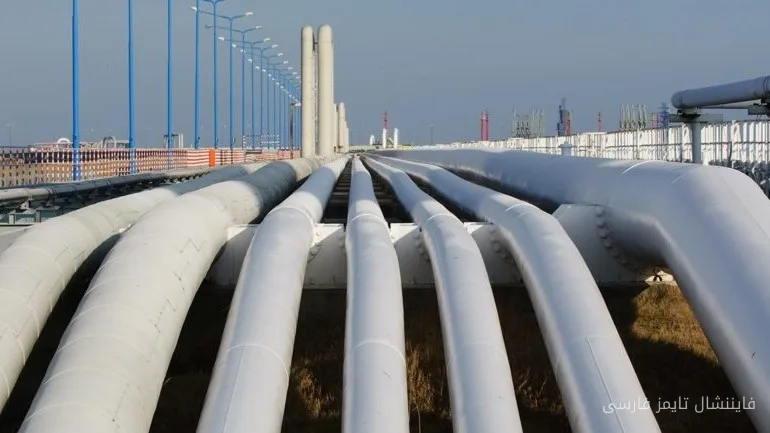
While the Strait of Hormuz on the other side of the Arabian Peninsula is severely disrupted, Saudi Arabia is increasingly relying on its east-west pipelines to transport crude oil from the Persian Gulf to export terminals in the Red Sea. However, these pipelines have also recently come under attack.
Read more: Coinbase Revenue Drop and 18% Increase in Its Stock
This temporary shutdown of Saudi pipelines clearly illustrates the insecurity of dependence on fossil fuels. When the Strait of Hormuz becomes dangerous, oil is sent through the desert, and when Bab-el-Mandeb becomes dangerous, tankers consider rerouting towards the Cape of Good Hope. This rerouting itself becomes a target for attacks.
New Challenges in the Energy Market and Rising Prices
In any case, these changes reduce risks but increase costs and impose the need for other infrastructures that must be defended. The other problem is not just a strait, militia, or war; it is an energy system that requires large amounts of fuel daily to navigate unstable borders and narrow waterways.
Energy markets consider any disruption as an exceptional event. Since Russia's attack on Ukraine and the militarization of pipeline gas, disruptions in the Strait of Hormuz and Houthi attacks in the Red Sea have all been identified as specific events. Damage to pipelines, LNG facilities, and tankers has also been exceptional.
Over time, these exceptions must reveal a pattern. Europe relied on cheap Russian pipeline gas for decades. When Moscow reduced supplies in 2022, prices rose, and governments quickly moved to fill reserves and build LNG terminals. Dependence on Russia was then partially replaced by greater dependence on the United States.
The change in energy supply patterns indicates the necessity of diversifying energy sources. However, this change does not mean independence; control over an energy source that Europe needs carries power over European decisions.
Read more: Cotton Futures Index Drops by 109 Points · Oil Declines Following Increase in U.S. Crude Oil Inventories and Saudi Supply Concerns