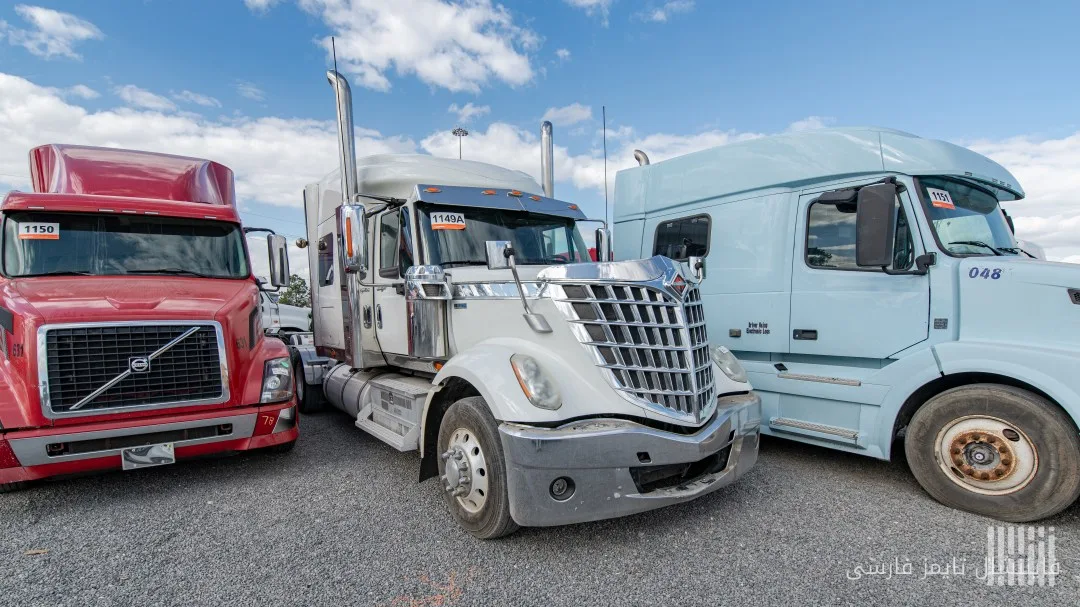
In a significant shift in financial policies, banks have stopped financing trucks for medium fleets. This decision was influenced by recent market fluctuations and increased credit risks, and it could have significant repercussions for the transportation industry.
Background
Given the prevalence of economic crises and fluctuations in energy prices, many banks have revised their assessments of credit risks. This revision is particularly evident in the financing of heavy vehicles such as trucks. Financing trucks for medium fleets, which typically rely on bank loans, has been recognized as a significant risk.
Details of the Decision
Banks are now proceeding with greater caution in providing new loans to medium fleets. This new policy has been adopted due to more thorough analyses in credit assessment and market fluctuation predictions. As a result, many companies in the transportation industry will face serious challenges in financing and purchasing new trucks.
Economic analysts believe that this action could lead to a decrease in the competitive capacity of medium fleets, as many of these companies depend on bank loans to update their fleets. If this trend continues, we may witness a reduction in cargo capacity and an increase in transportation costs in the market.
Consequences and Future Outlook
The halt in truck financing will not only affect medium fleets but could also negatively impact prices and transportation service costs. This may benefit larger fleets that have stronger financial resources and can maintain their costs in the market.
Moreover, this decision could lead to an increase in truck prices and transportation services, as demand for new trucks may decrease from medium fleets. With the inability to purchase new trucks, these fleets may turn to hiring older and less efficient trucks.
Ultimately, these changes could have broader impacts on the supply chain and labor market in the transportation industry. In a situation where the market is seeking stability, this decision by banks could be a sign of more challenges that may lie ahead for this industry in the near future.