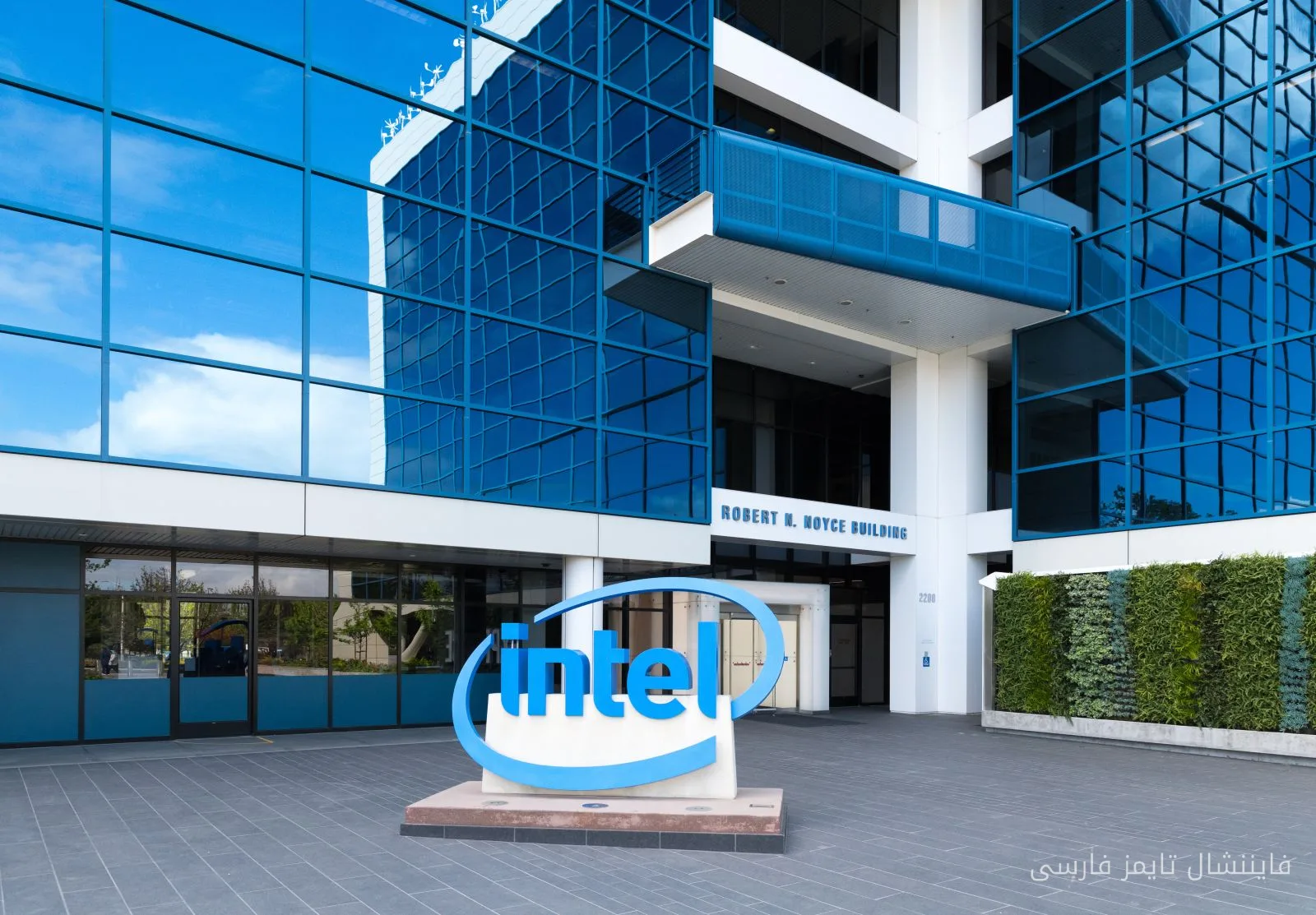
Intel's shares (Intel) dropped by 6% on Thursday, continuing a trend from previous days. This price decline occurs as investors take profits from recent stock increases. This move followed Piper Sandler initiating coverage of Intel's stock with a 'neutral' rating and a price target of $110. This raises the question of whether Intel's recovery due to AI-driven demand is fully reflected in its stock price.
Market Analysis and Reasons for Price Changes
Intel's shares had risen by about 9% in the previous session and have increased by over 167% in 2026. Such price increases create a heavy burden for future profit-taking. Investors now need to see continued revenue growth, stronger execution in production, and more evidence that Intel can convert AI demand into sustainable profits.
Read more: DoorDash Stock Performance Compared to the S&P 500 Index
Intel's comeback has been one of the biggest stories in the semiconductor industry in 2026, but the company's stock is no longer trading as a weak recovery. Piper Sandler's 'neutral' rating does not imply that the firm expects Intel's recovery to fail. Rather, the message is that much of the optimism may have already been priced into Intel's stock.
Financial Results and Future Outlook
The company reported second-quarter earnings of $16.1 billion, a 25% increase from the previous year. Non-GAAP earnings per share were 42 cents, and the non-GAAP gross margin increased to 41.8% from 29.7% last year. Revenue from the data center and AI reached $6.3 billion, reflecting a 59% increase.
The company has also forecasted third-quarter revenue to be between $15.8 and $16.8 billion, indicating that this improvement trend is strengthening. However, Intel faced a net loss of $11 billion in the last quarter and requires massive investments in production capacity and equipment to realize its transformation. The company is also trying to build a broader AI business.
Read more: Mark Maurer, CFO of StoneX Group, Sold $7 Million in Stock · Marvel Shares Drop 7% Amid AI-Related Concerns