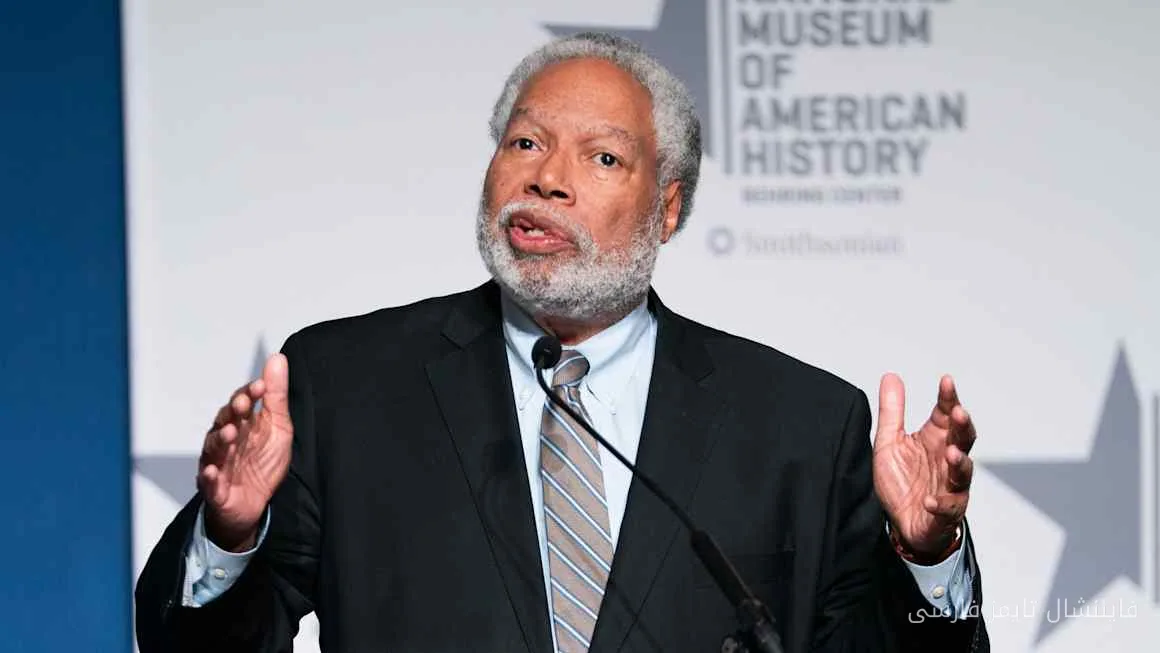
Following repeated attacks from the White House on the portrayal of slavery history at the Smithsonian Museum, the museum's director, Lonnie Bunch, has decided to resign. This decision comes at a time when political pressures on cultural and artistic institutions are sharply increasing, causing concern among many cultural activists.
Historiography or Censorship?
The Smithsonian Museum, recognized as one of the largest and most prestigious cultural institutions in the United States, has faced numerous attacks due to its commitment to showcasing historical and social realities. Recent criticisms from the White House regarding the narrative of slavery history and its impacts on American society reflect deep cultural and political divides in the country.
Many believe that these pressures will affect not only museums but the entire cultural and artistic landscape of America. While art and culture should always serve as tools for expressing truth and fostering social dialogue, it now seems that this space is heavily influenced by current political policies.
Consequences of Resignation
Lonnie Bunch's resignation, who is recognized as a prominent figure in the field of culture and history, could have profound impacts on the management of museums and other cultural institutions. This event represents a shift in cultural approach in the United States that may lead to the formation of a climate of censorship and self-censorship in artistic fields.
Ultimately, the question arises whether museums and cultural institutions should respond to political pressures or remain committed to truth and freedom of expression.