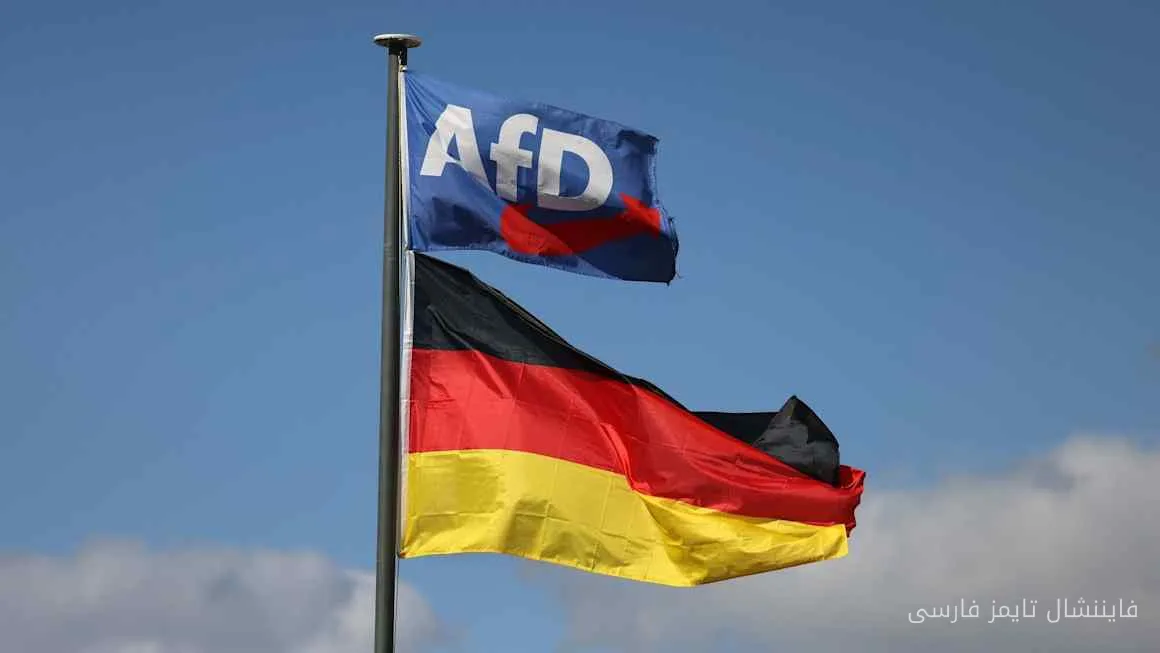
The recent elections in Saxony-Anhalt brought a remarkable victory for the far-right party. With a significant number of votes, this party has approached new boundaries in German politics, yet it still lacks just three seats to lead the regional government. This situation can be seen as a major challenge for the party, while it appears that the political landscape in Germany is undergoing deeper changes.
Challenges Ahead
The far-right party was able to attract considerable attention in this election, and it seems that public support for it is on the rise. However, achieving the necessary seats to form a regional government requires complex agreements with other parties. Currently, the party is trying to reach its goal by forming coalitions, but this may be difficult due to ideological and political conflicts with other parties.
Political Consequences
The victory of the far-right party in Saxony-Anhalt could have widespread implications for German politics. This party has put challenging traditional systems on its agenda with its ideas and programs and may influence political trends in other states as well. On the other hand, this victory could provoke the activities of opponents and democracy advocacy groups, which in turn will impact the political atmosphere of the country.
Ultimately, the future of the far-right party in Saxony-Anhalt depends on a complex balance between public support and existing political challenges. At this critical juncture, all eyes are focused on future developments, and whether this party can achieve its aspirations remains shrouded in uncertainty.