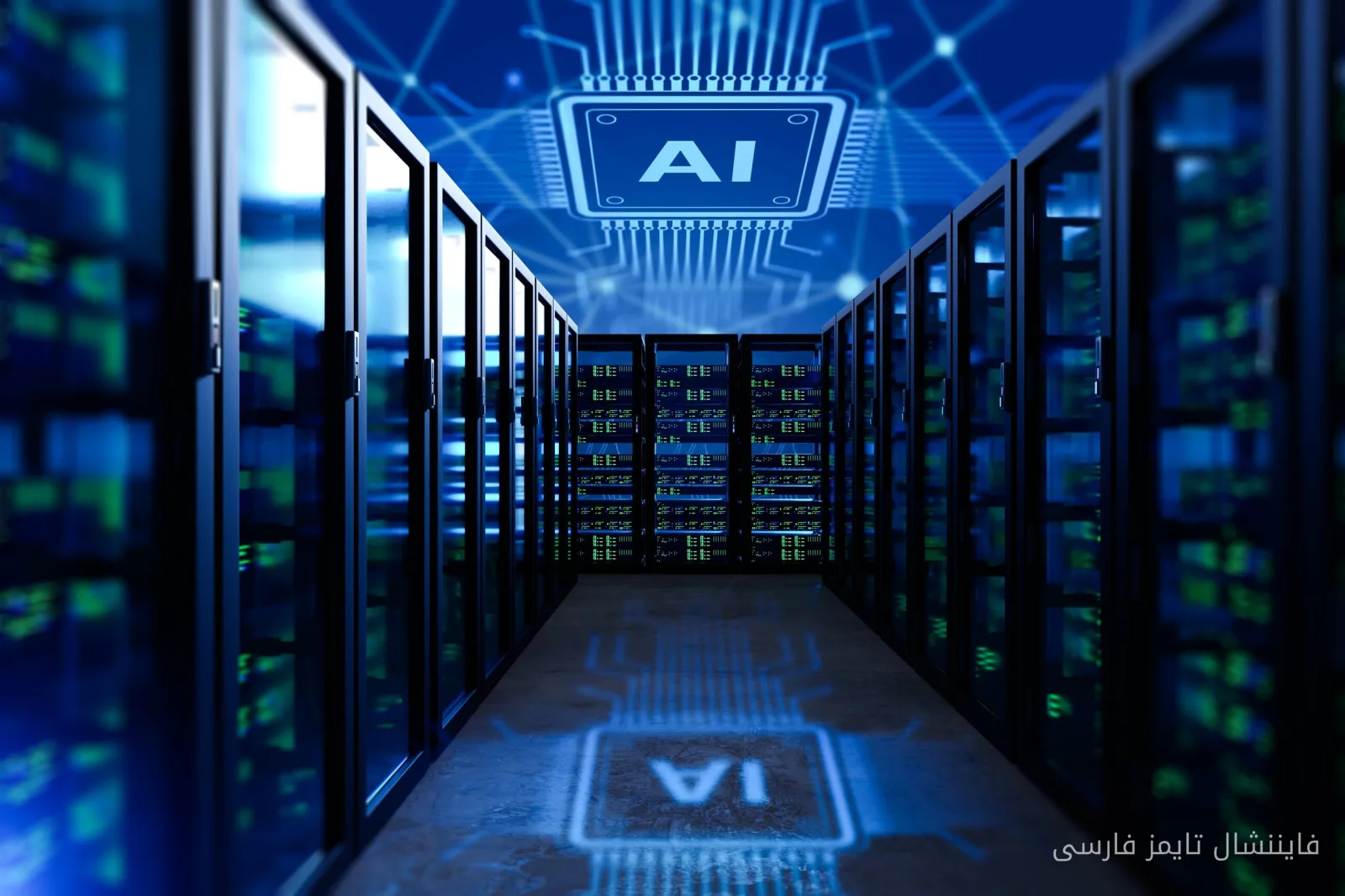
The Trump administration has recently highlighted the importance of data centers for artificial intelligence (AI) as a driving force for economic development in the United States. According to him, these centers not only contribute to wealth and job creation but can also lead to investment in local communities.
Economic Outlook from Artificial Intelligence
In his recent speeches, Trump has stated that artificial intelligence, as the "oil of the next 50 years," can bring about a significant transformation in the U.S. economy. He predicts that with the expansion of data centers for artificial intelligence, new job opportunities and massive investments will flow into various communities. These developments could help improve the quality of life for people and increase incomes in different regions.
According to economic assessments, the establishment of data centers for artificial intelligence could strengthen technological infrastructure in the United States. Due to the need for large spaces, electricity, and fast communications, these centers can be established in less developed areas and contribute to the economic growth of these regions.
Social and Economic Implications
The expansion of data centers for artificial intelligence in various communities could bring significant social and economic changes. On one hand, these centers can lead to the creation of new jobs, and on the other hand, if not managed properly, they may exacerbate economic inequalities. For this reason, the government suggests that educational programs and investment in the necessary skills for new jobs should be implemented simultaneously with the development of these centers.
On the other hand, increased investment in this area could lead to greater competition in the technology market. This competition could result in innovation and improved service quality in various fields, ultimately benefiting consumers.
Ultimately, the Trump administration believes that data centers for artificial intelligence can play a key role in shaping the economic future of the United States. However, to achieve these goals, policymakers and economic actors must carefully manage this process and be aware of potential challenges.