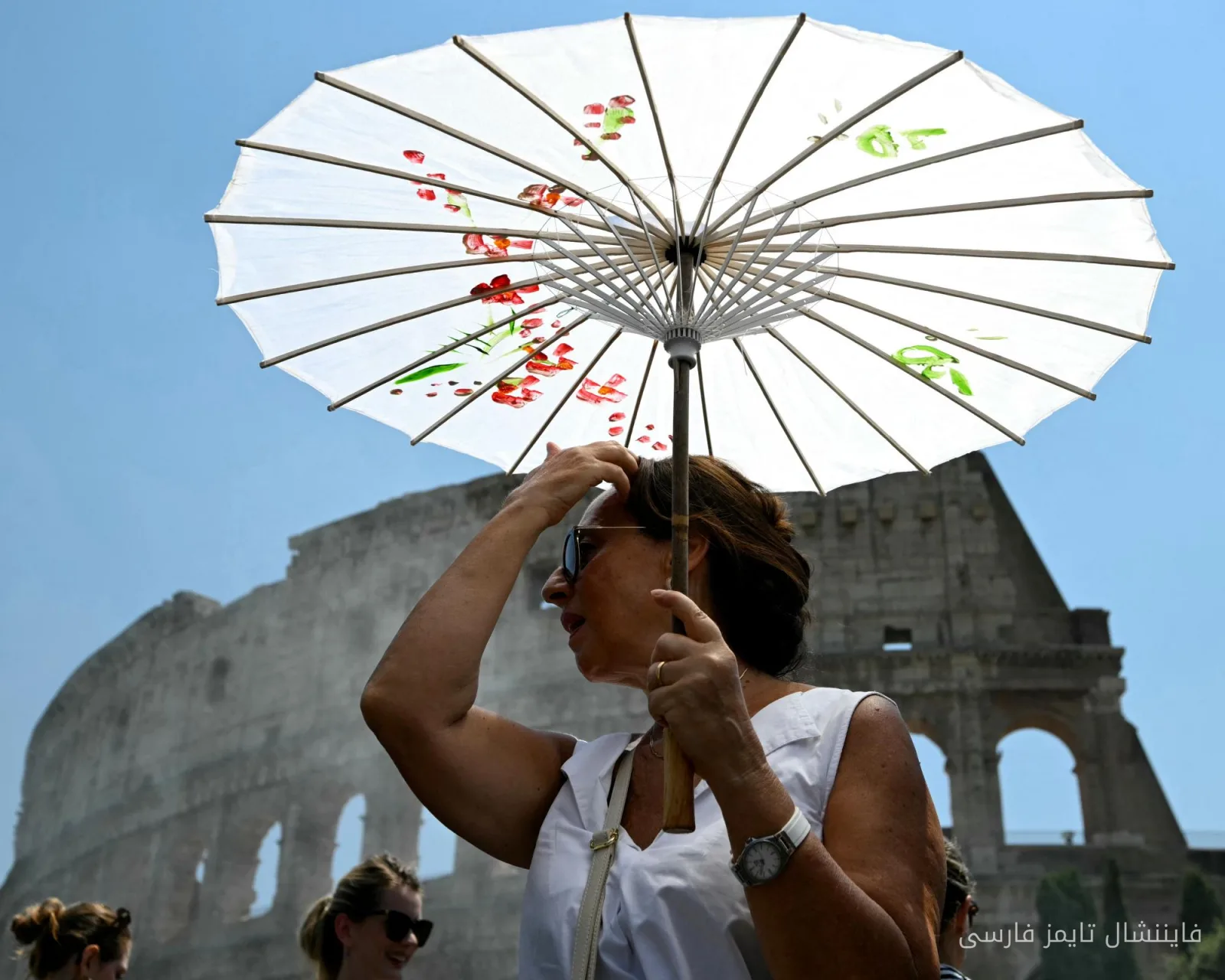
While Britain has recently entered the realm of tourist tax, continental European countries have been benefiting from this tax for years. This type of tax not only serves as a source of income for municipalities but also reminds tourists that traveling incurs costs beyond accommodation.
Why a Tourist Tax?
The tourist tax is primarily paid upon checkout from a hotel or accommodation, and many tourists are surprised by this additional charge. This tax plays a key role in financing local projects and public services, especially in areas heavily reliant on the tourism industry.
For example, in Italy, tourist cities like Venice and Florence have been able to improve infrastructure and urban services through this tax. This approach particularly helps municipalities secure the necessary financial resources to maintain and preserve their tourist attractions during difficult economic conditions.
Challenges and Criticisms
However, these taxes are not without challenges. Some tourists strongly protest these additional costs, viewing them as a barrier to travel. Criticisms of these taxes often revolve around whether these costs truly lead to an improvement in the quality of tourism services. Additionally, in situations where many individuals are cutting back on travel expenses due to economic and health crises, these taxes may negatively impact their travel choices.
Nevertheless, it seems that European countries will continue with this approach, seeking ways to improve and adapt these taxes to the needs of tourists and the local community. Ultimately, the tourist tax may become one of the key tools in managing the tourism industry in Europe.