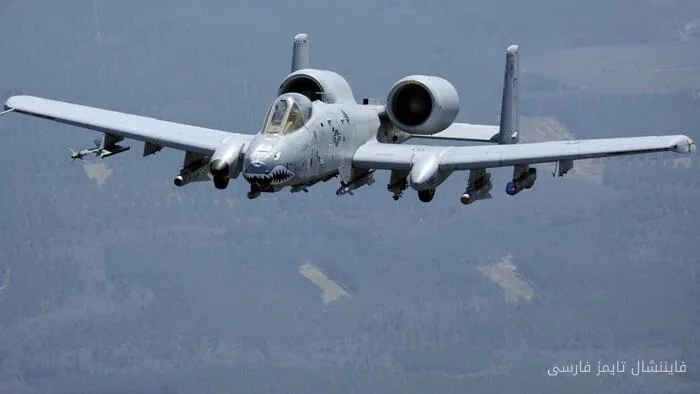
The United States has recently announced that it will limit its air defense coverage for oil tankers passing through the Strait of Hormuz. This decision has been made particularly as tensions in the Persian Gulf have increasingly risen and concerns about maritime transport security have grown.
Reason for Policy Change
U.S. officials believe that, given the strategic changes in the region and the increasing threats from non-state actors, it is necessary to reassess their approach to air defense. This new policy is seen as part of broader U.S. efforts to reduce military costs and focus on priority threats.
The Strait of Hormuz, which is a vital passage for oil transport, hosts several thousand oil tankers annually. Therefore, the new restrictions could have significant impacts on the oil market and global prices. Analysts believe that this action could lead to increased volatility in oil prices and also affect the energy supply of countries dependent on oil from this route.
Economic Consequences
Given the importance of the Strait of Hormuz in global energy supply, any developments in U.S. air defense policies could quickly impact financial and economic markets. Investors should be cautious of oil price volatility and security issues in this region, as these factors can influence exchange rates and the stocks of companies active in the energy sector.
Ultimately, these developments should be carefully examined to accurately assess their impacts on global markets and energy security.