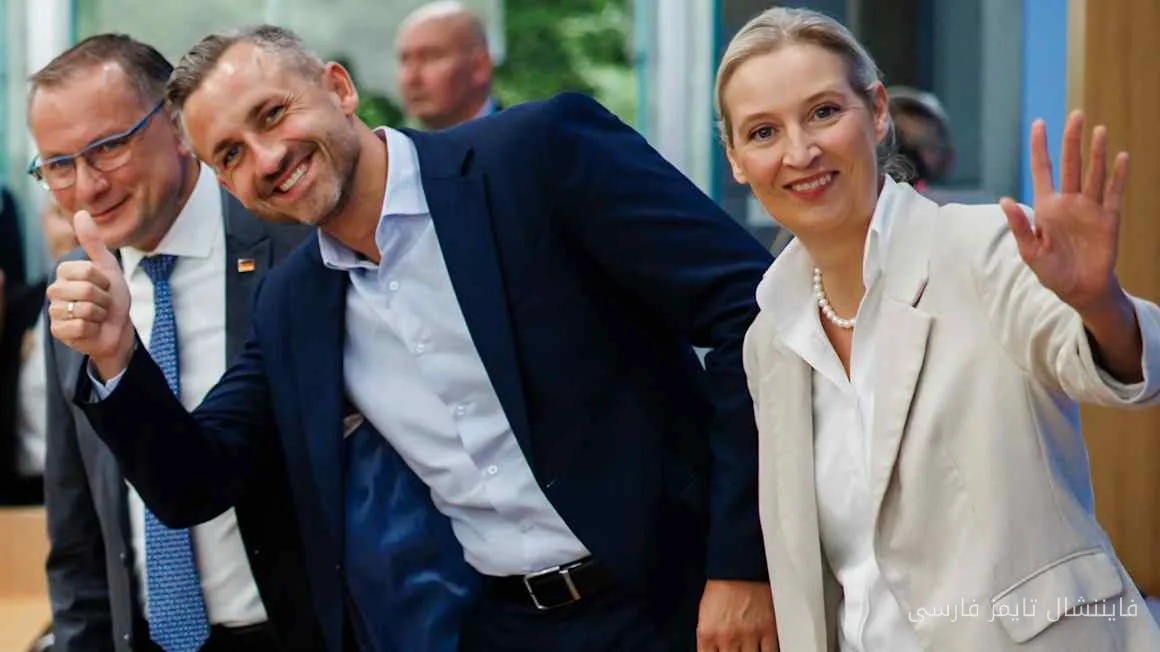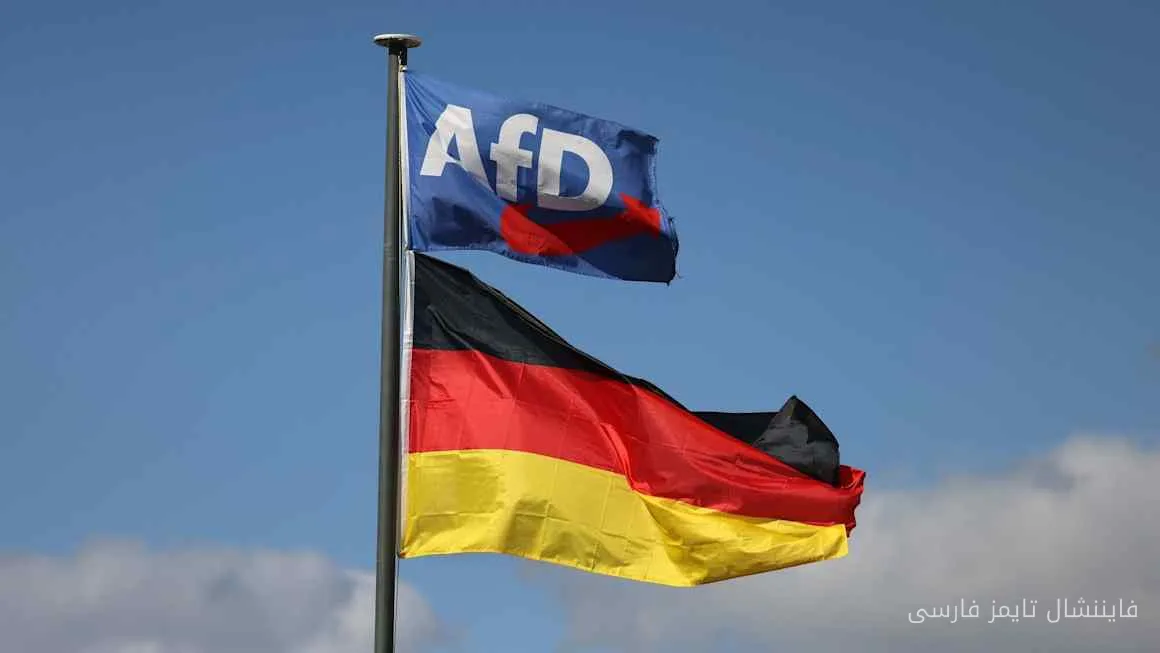
The recent election results in Germany have impacted not only the internal atmosphere of the country but also the global political scene. While the far-right AfD party has emerged as a significant force in German politics, analysts and international observers have sounded the alarm. These results clearly indicate profound changes in people's attitudes towards politics and the economy in Europe.
Unexpected Support
The AfD party, known for its anti-immigration and nationalist positions, has now become a credible political force in Germany. Meanwhile, the Kremlin and other right-wing governments around the world are thrilled and are exploiting these changes to their advantage. This support not only affects German democracy but could also strengthen right-wing movements in other European countries.
This situation could lead to a deep divide between European countries, especially among Western and Eastern nations. While some countries adhere to open and participatory policies, others are moving towards extremism and nationalism. This poses serious challenges for the European Union.
Global Consequences
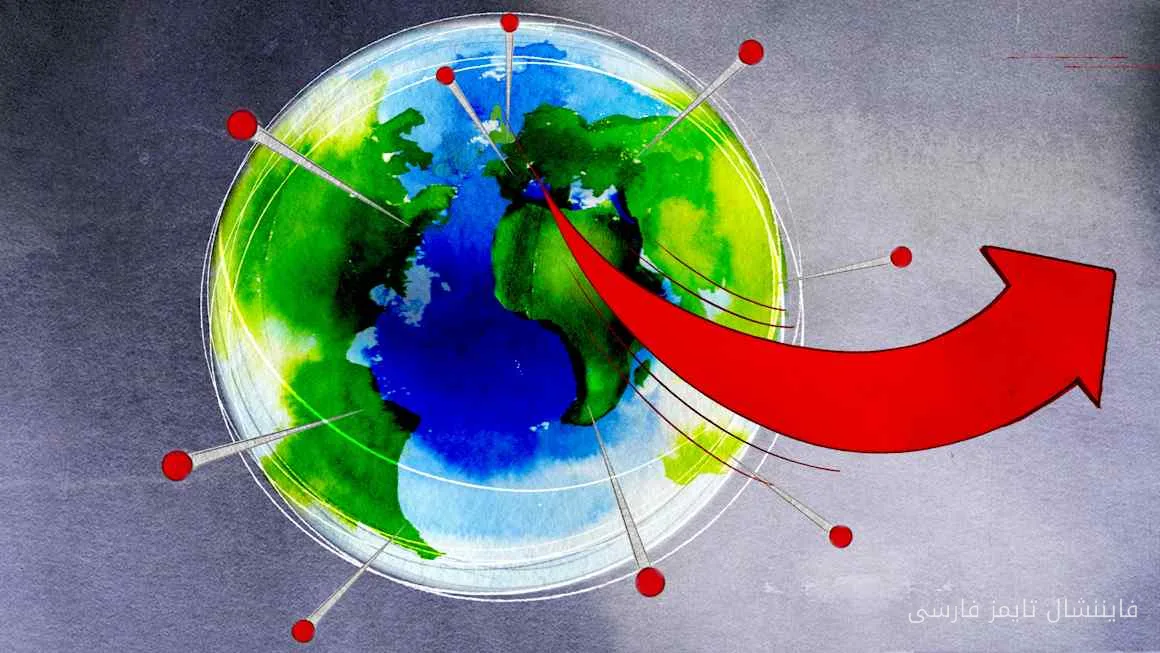
The emergence of the AfD in Germany could serve as a model for other right-wing parties in Europe and beyond. These parties are seeking to attract voters concerned about immigration and economic crises while also striving for power with anti-globalization and nationalist messages. This trend not only threatens European democracies but will also negatively impact international stability.
Ultimately, Germany, as one of the main economic and political powers in Europe, must pay attention to these changes and provide effective solutions to address these challenges. Otherwise, we may witness a fundamental shift in the political structure of Europe, the consequences of which will extend beyond Germany's borders.