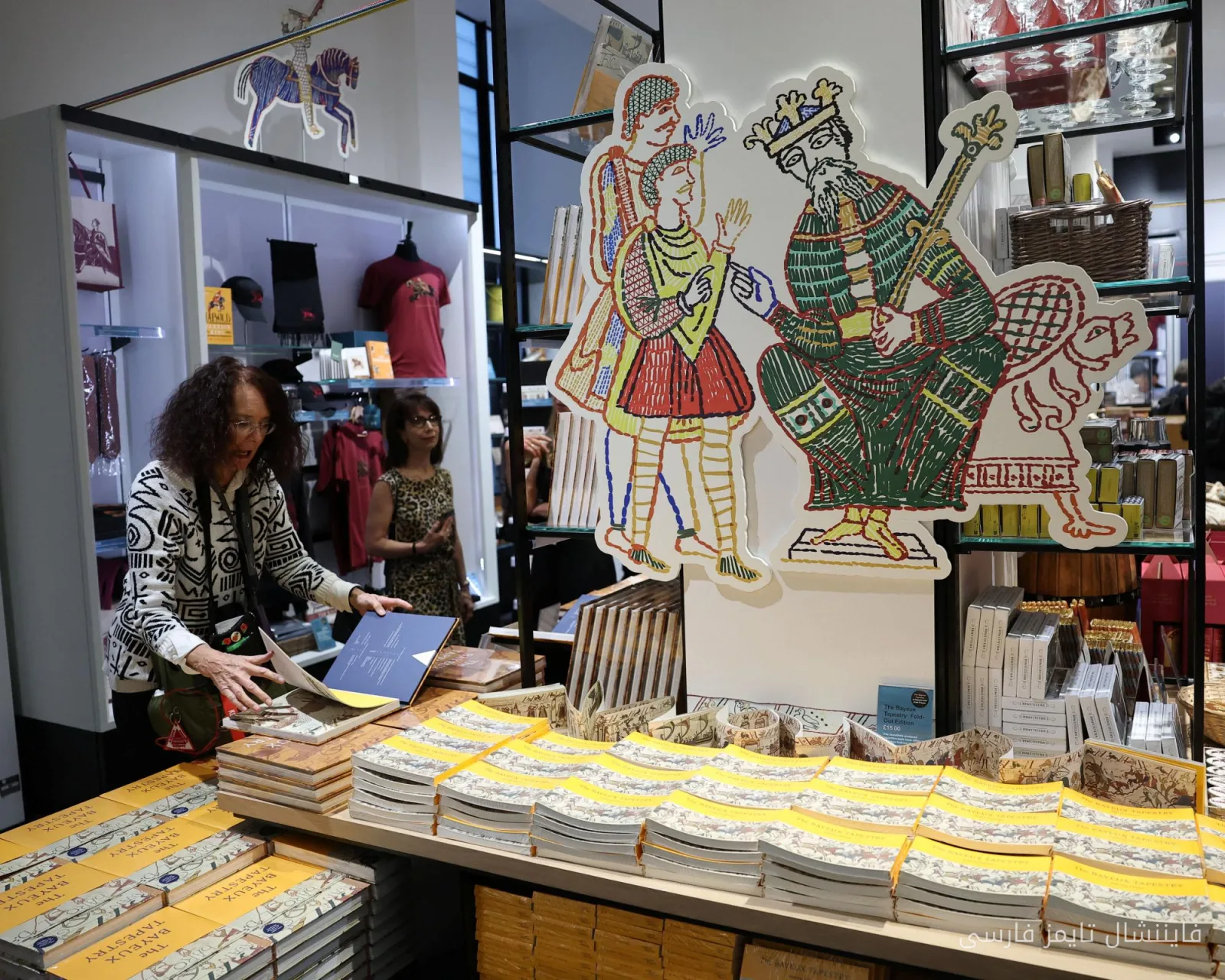
The ancient Bayeux Tapestry is currently attracting everyone's attention at the British Museum as a diplomatic symbol. This artwork, which stems from the wonders of its survival and vivid details, somehow represents the transformations and unrest of the present age. Visitors, each with a different perspective, sit to watch this historical tapestry and see stories of war and victory within it.
The Tapestry and Its History
The Bayeux tapestry, known for its delicacy and beauty, was likely woven by the hands of English women in Kent, Britain. This aspect gives the tapestry dimensions of return and not just entry. With each visit, this artwork invites viewers to reflect on their own fate and their shared history.
While this tapestry is presented as a diplomatic symbol among heads of state and presidents, it also recalls the bitter and vivid realities of war and global unrest. The Bayeux Tapestry not only narrates history but also serves as a mirror of our current challenges.
Today's Implications of This Work
Viewing this tapestry at the British Museum is an opportunity for visitors to think deeply about the complexities of war and peace. In today's world, where we are once again witnessing the emergence of wars and international tensions, this artwork has become a reminder of the consequences of war and the necessity of peace. Have we learned from history? Is it not time to move towards dialogue and understanding instead of war?
Ultimately, the Bayeux tapestry is more than just a work of art. This tapestry is an invitation to think and reconsider history and its implications on our lives today. Are we ready to respond to this invitation?