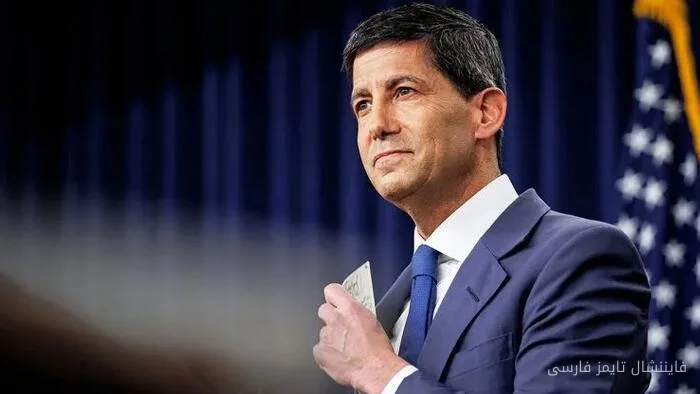
This week, Jeremy Varash, Chairman of the Federal Board, is confronted with a difficult dilemma in facing economic conditions and market developments. Given the recent fluctuations in financial markets and increasing concerns about inflation, Varash's decisions could have profound effects on market trends and interest rates.
Analysis of Economic Conditions
Financial markets are currently in a sensitive state after several weeks of volatility. Analysts believe that Varash must choose between maintaining interest rates and attempting to control inflation. This issue has become a major challenge due to conflicting economic signals, including rising living costs and slowing economic growth, particularly in the United States.
While some analysts believe that raising interest rates could help control inflation, others are concerned that such actions may lead to an economic recession. In this context, Varash's decision-making will be heavily influenced by economic opinions and analyses.
Market Predictions
Given the current situation, it is expected that markets will be significantly influenced by Varash's statements and decisions in the coming days. If he decides to raise interest rates, we may witness a decline in stock values and an increase in bond yields. Conversely, maintaining the current status could lead to market stability and increased investor confidence.
The existing gaps in the market and uncertainty in decision-making clearly indicate the difficult situation Varash is facing. Ultimately, this dilemma could be a turning point in federal economic policies and affect global economic trends.