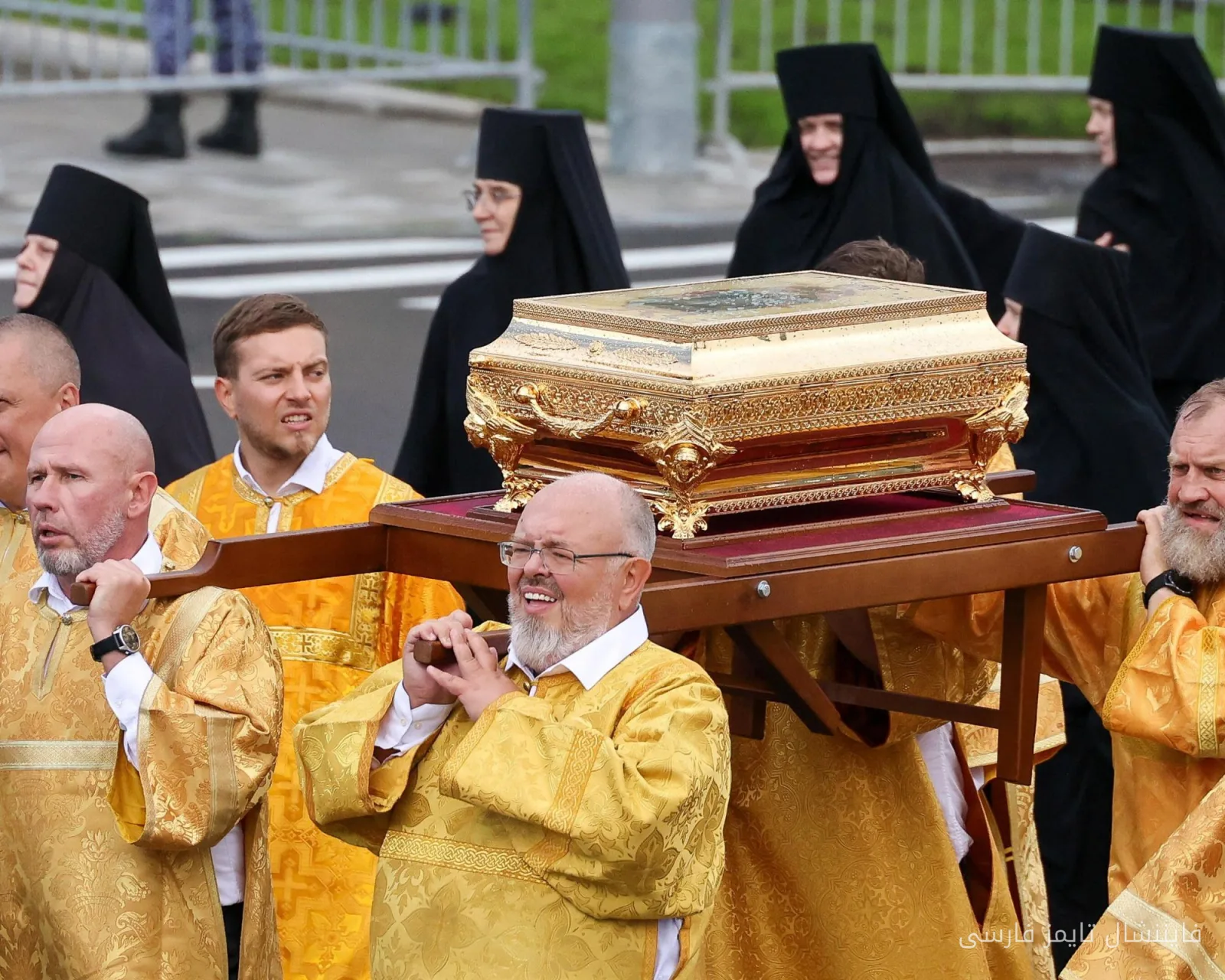
In a controversial and ancient act, the Russian Orthodox Church has sent part of the right hand of Dmitry Donskoy, a medieval prince, to the battlefronts in Ukraine. This action has been described as an effort to "boost the morale" of soldiers on the battlefield. Dmitry Donskoy is known in Russian history for his victory over the Mongol invasion in 1380, and now his remains have been transferred as a religious and national symbol to Russian forces on the eastern front of Ukraine.
Sanctity and Spirituality on the Battlefield
The Orthodox Church has stated that these remains are considered "sacred" and can help soldiers achieve victory. This action is not only seen as a religious symbol but also as a tool to enhance morale and create a sense of belonging and strength among Russian forces. As the war in Ukraine continues intensely, this move reflects ongoing efforts to create a strong national and religious identity among soldiers.
History and Politics Intertwined
This action is also related to a kind of reinterpretation of history and the use of historical symbols in contemporary Russian politics. Dmitry Donskoy is recognized as a national hero in Russian history, and sending his remains to the battlefronts is an effort to link the past to the present and create a sense of struggle and pride among soldiers. While the war in Ukraine continues intensely, this move may indicate the Church's efforts to strengthen national and religious identity among the people and military forces.
However, many experts believe that such actions could increase tensions and complexities of the war. As both sides involved in this conflict seek to bolster their morale and identity, the use of historical and religious symbols may help to ignite the flames of disputes.