Saudi Arabia has temporarily closed its East-West pipeline, which has a capacity of transferring 7 million barrels of oil per day, due to multiple drone attacks. This event reveals significant vulnerabilities in one of Saudi Arabia's vital export routes, designed to bypass the Strait of Hormuz amid escalating tensions between the United States and Iran.
Impact on Saudi Oil Exports
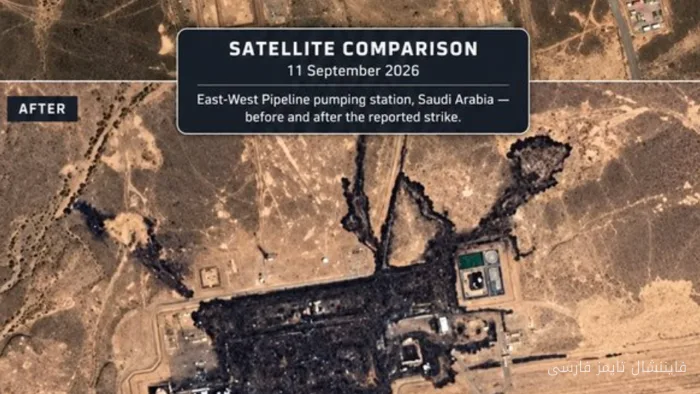
The closure of this pipeline puts new pressure on Saudi oil exports. This pipeline, built to bypass the Strait of Hormuz, has now become a target for attacks. The Saudi Ministry of Energy has announced this closure as a precautionary measure while emergency teams assess the safety of the pipeline. Recent satellite images show that the oil pumping station on this pipeline has been completely destroyed in yesterday's attacks.
Analysis of the Current Situation
Statistics indicate that Saudi oil exports in August have reached about 3 million barrels per day, the lowest level since early 2017. Given that Iran-backed groups have recently seized the strategic island of Mayyun in the Bab al-Mandab Strait, pressure on Saudi Arabia's Red Sea export hub has increased. With disruptions in the Strait of Hormuz and ongoing threats to both key maritime points, Saudi Arabia's options for transporting oil to global markets are becoming increasingly limited.
Analysts from the Rapidan Energy Group, including Fernando Ferreira, have described Saudi Arabia's situation as difficult, noting that as the U.S. continues its blockade and successfully escorts more ships from the region, Iran will continue its attacks on Gulf energy facilities.