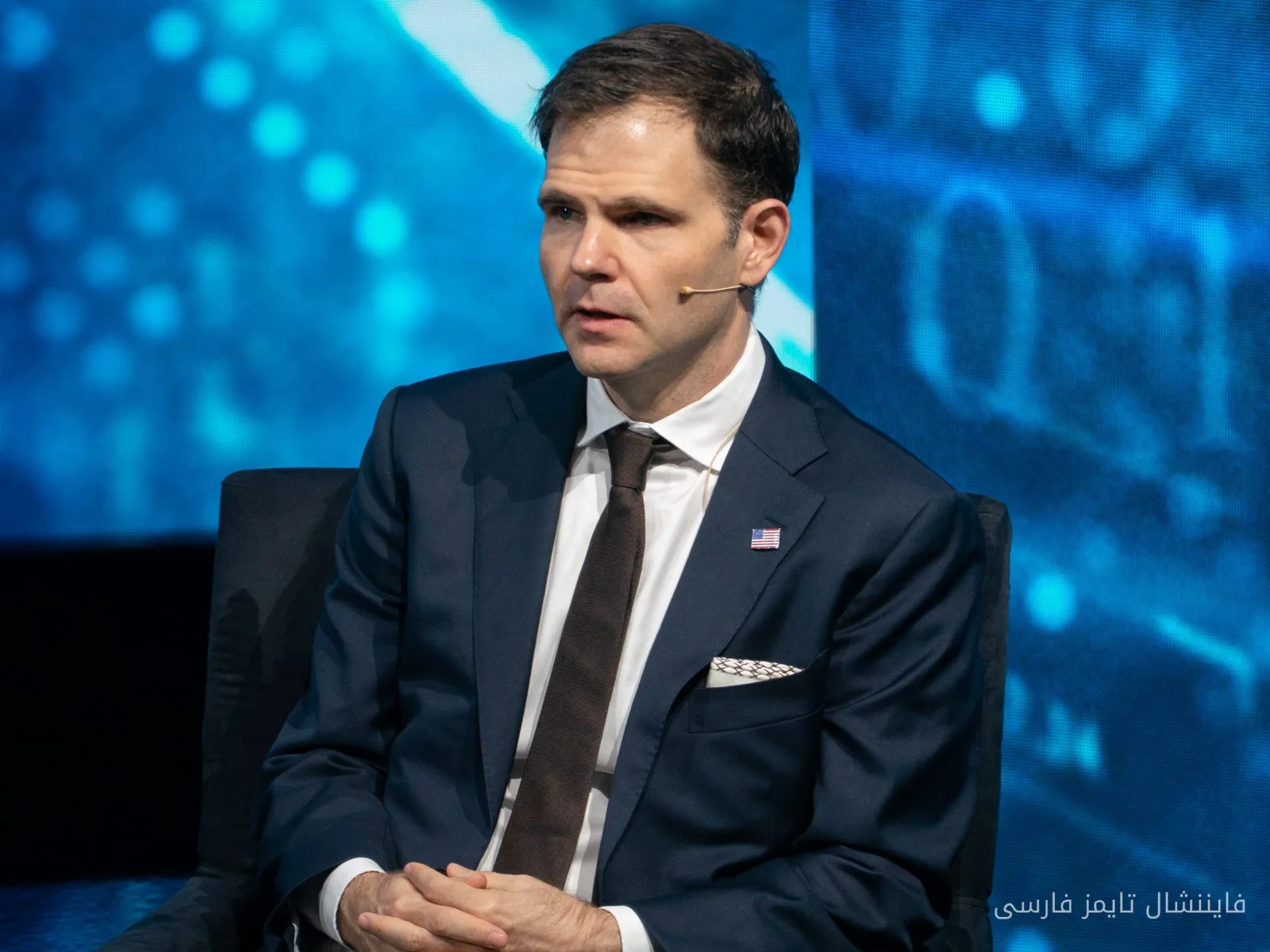
Jensen Huang, CEO of NVIDIA, announced the expansion of the AI infrastructure market at the Goldman Sachs Technology and Communications Conference, particularly supporting CoreWeave and Nebius. He emphasized that the unprecedented demand for data center capacity is one of the main challenges in the industry.
Challenges in Data Center Capacity Supply
The AI infrastructure market has shifted from a chip shortage story to a competition for data center capacity. Land, power, and completed buildings are recognized as the main bottlenecks in this path. With hundreds of billions of dollars invested by major companies in this field, new opportunities have emerged for emerging cloud providers. These companies are capable of supplying capacity in areas where the largest cloud companies cannot.
Read more: Attention to Trump's and Xi's Statements on AI Threats
Huang stated at the conference that NVIDIA remains confident in a 70% annual revenue growth next year, despite demand increasing by over 100%. The main issue is securing energy, land, and data centers, where emerging companies like CoreWeave and Nebius come into play.
Advancements of CoreWeave and Nebius
CoreWeave, as one of the leading emerging companies in this market, is rapidly growing. According to the company's financial reports, its revenue in the second quarter reached $2.58 billion, a significant increase from $1.21 billion last year. Additionally, the company's backlog of requests reached $104 billion.
NVIDIA contributed to this growth by investing $2 billion in CoreWeave in January. The two companies plan to deploy over 5 gigawatts of AI factory capacity by 2030. Meanwhile, CoreWeave reported a net loss of $626 million during this period and had approximately $33.8 billion in debt.
On the other hand, Nebius, which is in its early growth stages, achieved $582 million in revenue in the second quarter, reflecting a 454% growth compared to last year. The company has projected that its contracted electrical capacity will exceed 4 gigawatts.
NVIDIA has also invested $2 billion in Nebius, with the goal of supplying over 5 gigawatts of NVIDIA systems by 2030. Given the large contracts with companies like Meta and Microsoft, Nebius represents significant demand in this market.
Huang emphasized that infrastructure costs for AI are expected to reach $3 to $4 trillion by 2030, and achieving this goal requires strong partners. NVIDIA's investment in both CoreWeave and Nebius demonstrates the company's confidence in the future of this market and offers new opportunities for investors.
Read more: Sale of 312 Shares by Subraya from Cisco Worth $34,376 · TSM Sets Sales Record; NVIDIA Winner and Payer