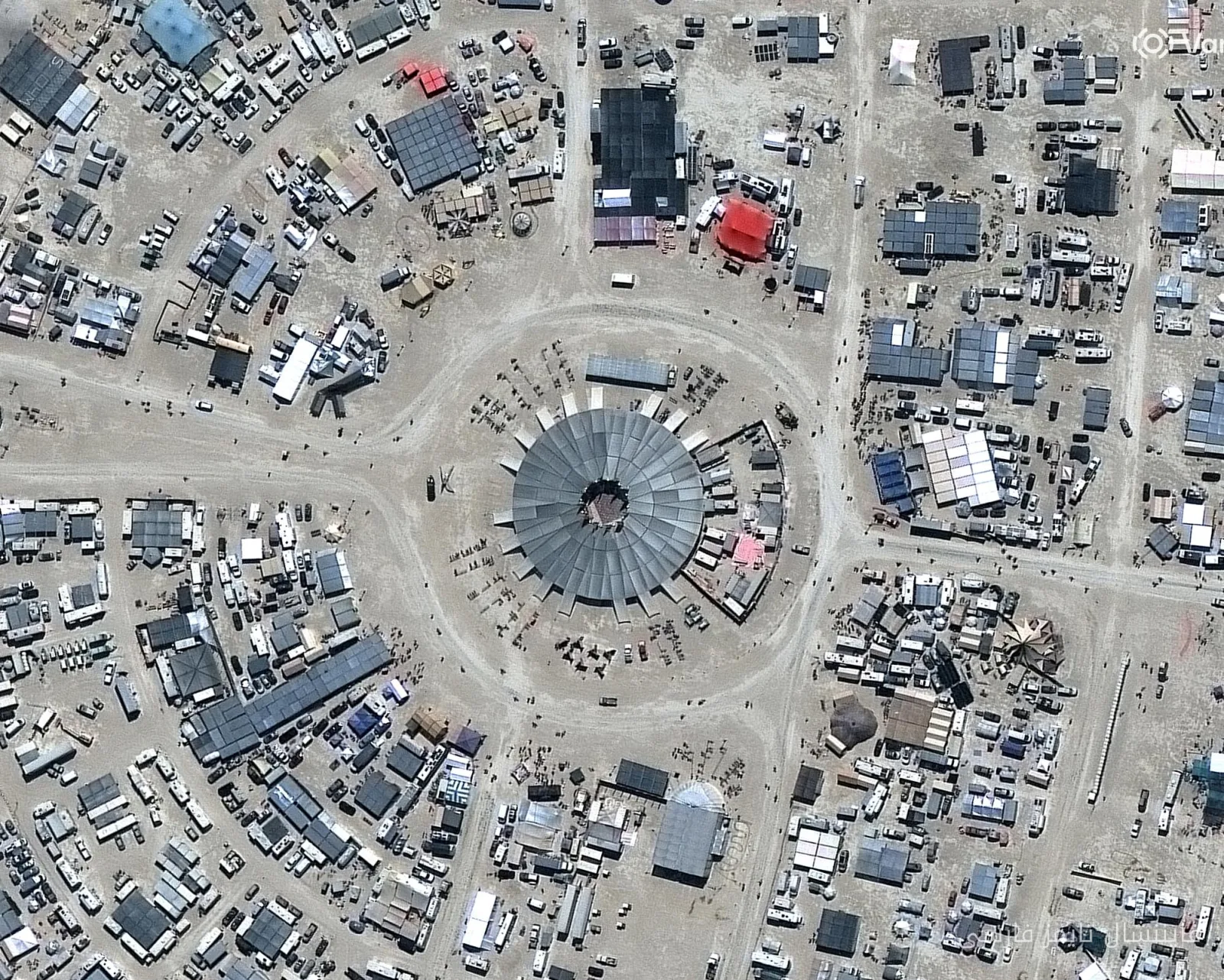
The Burning Man festival, held annually with tens of thousands of attendees in the Nevada desert, was accompanied by a bitter tragedy this year. Three men over 50 lost their lives at this event, raising the mortality rate to three times the average of previous years.
Increasing Age of Participants
Research has shown that the average age of participants in this festival has significantly increased. In recent years, the number of young people in their 20s and 30s has decreased, and instead, individuals in their 40s and 50s are joining the festival with greater enthusiasm. This demographic shift may be one of the main factors contributing to the increase in mortality rates.
The harsh and grueling conditions in the Nevada desert, especially during the hot season, can pose risks for individuals who are more vulnerable due to their age. This year, given the extreme heat and water shortages in some areas, these risks have clearly increased.
New Safety Concerns
This event, recognized as an artistic and cultural festival, is now facing new challenges regarding safety and health. Many participants and experts are concerned that if this trend continues, Burning Man may transform from a positive experience into a hazardous event. With the rising mortality statistics, serious questions arise about whether the festival should implement changes in how it is conducted.
As a result, this year's Burning Man not only represents a spirit of creativity and individual freedoms but also serves as a wake-up call for the community. Can this event cope with its new challenges, or does it need to reconsider its principles?