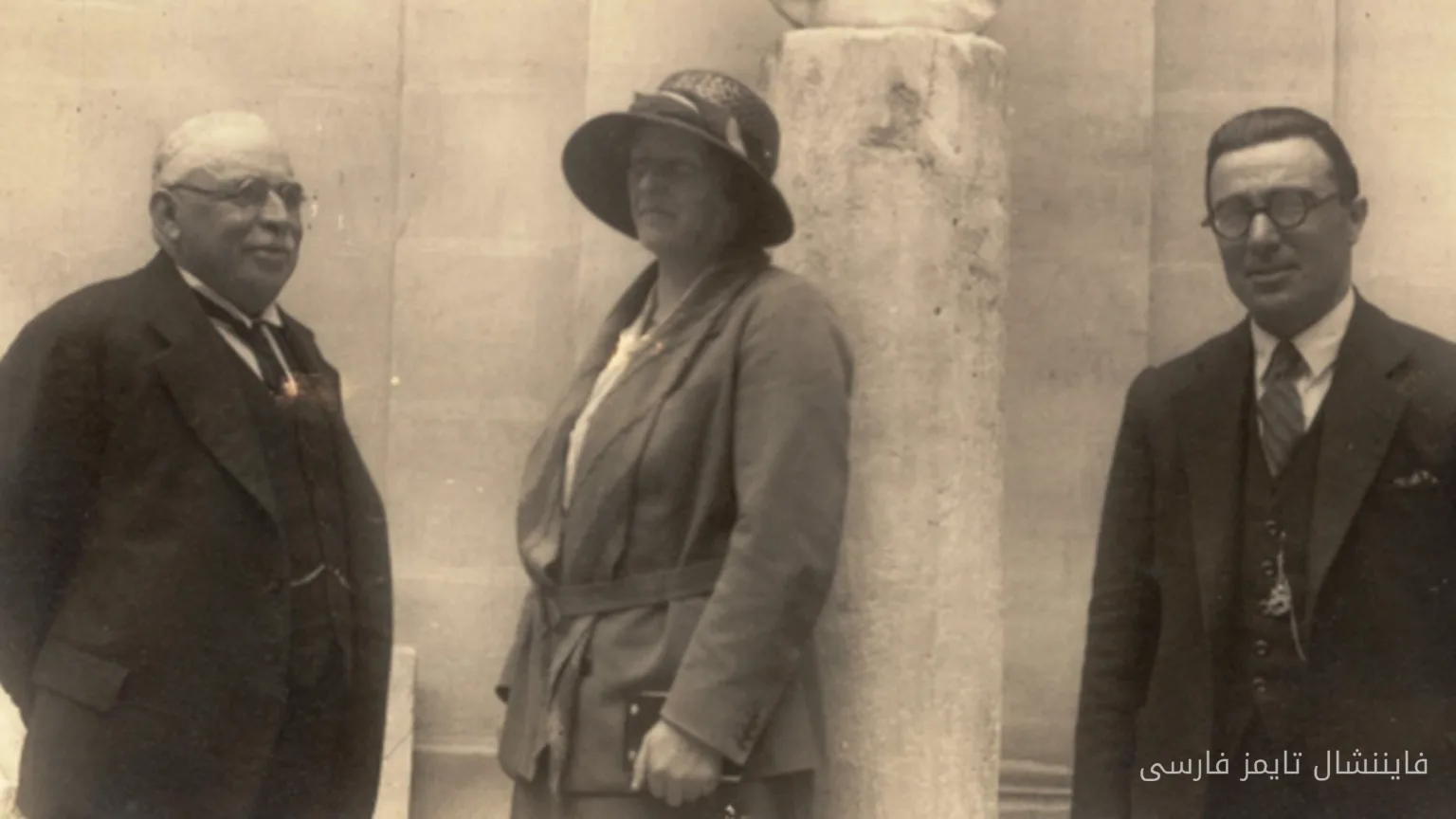
In a unique event, Dr. Dorothy Bate, one of the pioneers of paleontology, was honored with the installation of a blue plaque in her hometown for her remarkable discoveries. She has gained fame as one of the first women to engage in fossil hunting, particularly for her discovery of fossils of dwarf elephants and an extinct type of antelope.
Dorothy Bate, Pioneer of Paleontology
Dorothy Bate played a significant role in expanding our knowledge of past biodiversity in the early twentieth century with her unique fossil discoveries. She particularly drew attention with her discovery of dwarf elephant fossils on the island of Malta and also an antelope species named Myotragus. These discoveries have been influential not only in the field of paleontology but also in our understanding of climate and environmental changes.
The blue plaque installed in her honor is a symbol of recognition for her work and efforts in obtaining new information about natural history. This initiative not only celebrates the value of her work but also inspires future generations to engage with the world of fossils and Earth’s history.
The Impact of Her Discoveries on Science and Society
The discoveries of Dorothy Bate not only helped expand the boundaries of knowledge in paleontology but also, as a woman in a traditionally male-dominated field, she paved the way for many other women to pursue careers in science. Her efforts exemplify the strength and potential of women in science and can serve as a role model for today’s youth.
This tribute to Dr. Bate serves as a reminder of the importance of preserving natural history and striving for a better understanding of the past. As an influential figure in the world of science, she will continue to inspire many science and paleontology enthusiasts.