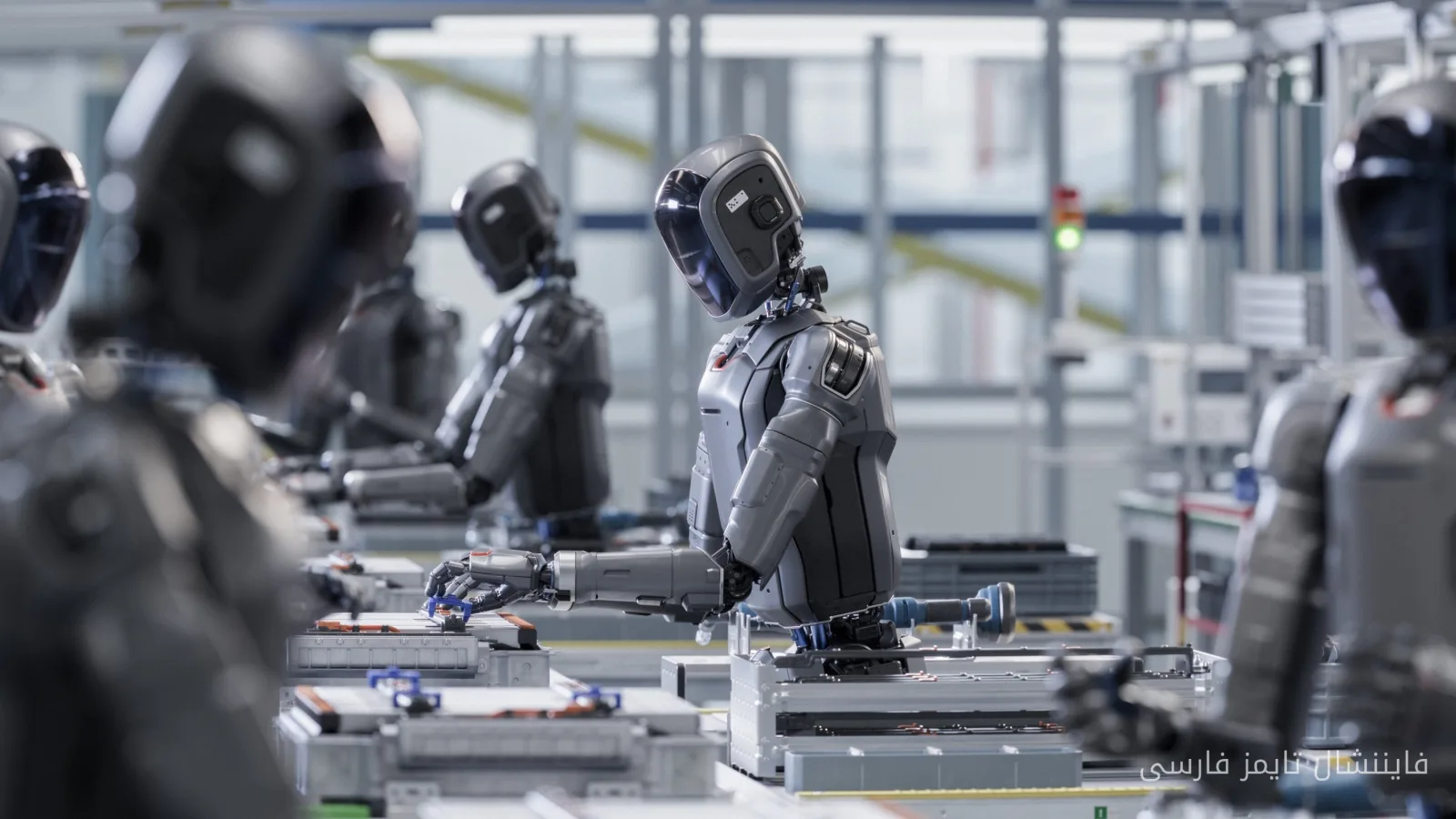
Goldman Sachs has predicted that by the year 2035, the number of humanoid robots will reach 6.5 million. This prediction indicates significant transformations in the robotics industry and its impact on the labor market and the global economy.
Growth of the Robotics Market
Research conducted by Goldman Sachs indicates that the demand for humanoid robots is significantly increasing. This rising demand is due to technological advancements and the need for improved productivity across various industries. Humanoid robots can be utilized in various fields including manufacturing, services, and even healthcare.
Moreover, this prediction indicates widespread changes in the labor market. With the introduction of humanoid robots in the workplace, many traditional jobs may be affected, and there will be a need for new skills.
Economic Impacts
The global economy is likely to face new challenges. While robots can reduce operational costs and help increase production, they can also lead to unemployment in some industries. These changes will require smart policymaking and flexibility in the labor market.
Given this prediction, investors and companies must also pay close attention to new trends and adjust their strategies according to market changes. Ultimately, this prediction could be a sign of a future where robots play more roles in daily life and the labor market.