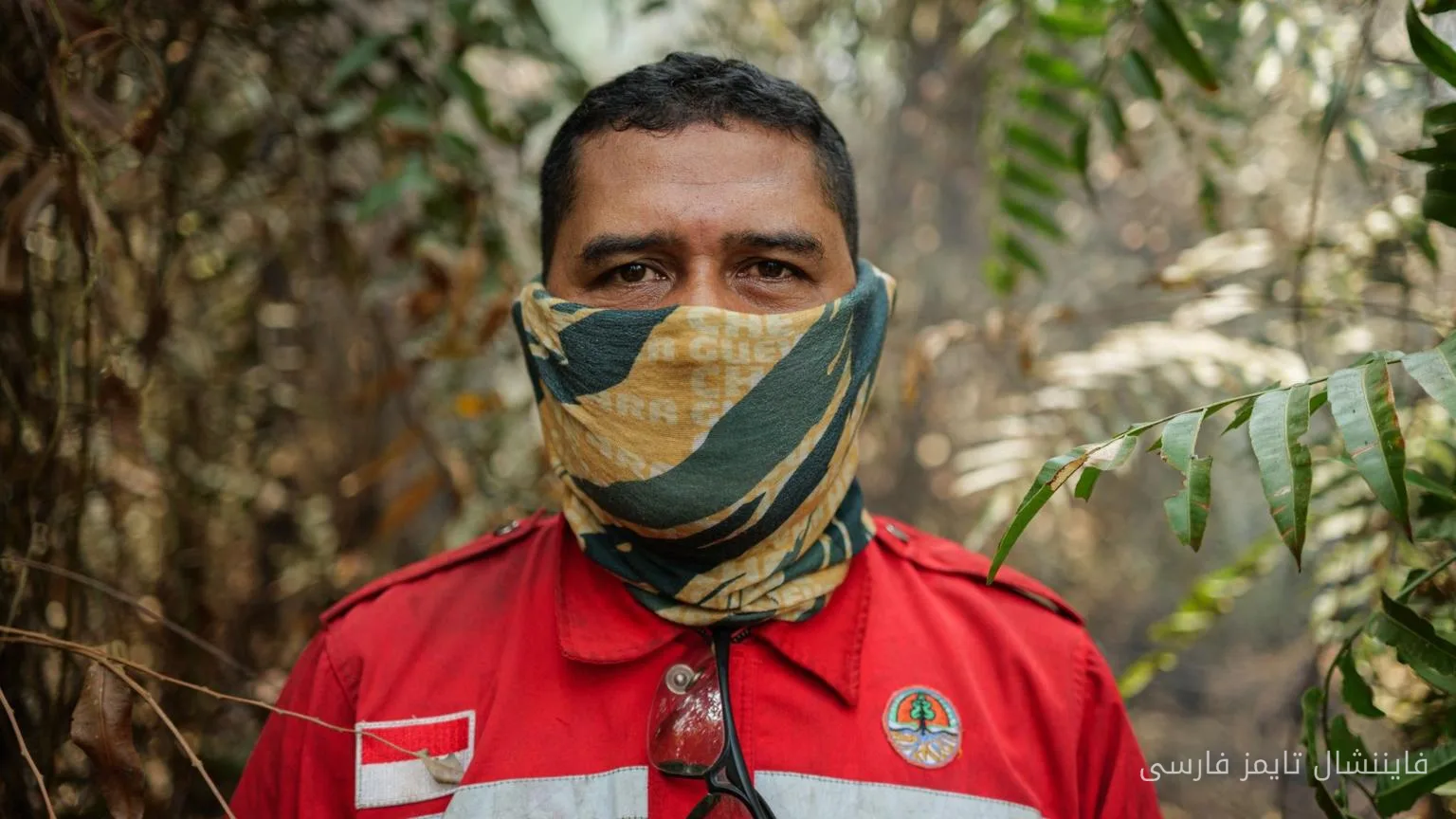
Peat fires in Borneo, an island in Indonesia, have become an environmental crisis that not only directly affects the lives of local people but also has global repercussions. These fires, known as 'carbon bombs', release the oldest carbon reserves and cause toxic smoke to spread across the skies of Southeast Asia.
Great Dangers and Small Sacrifices
Volunteers who have come to combat these fires face serious dangers. These individuals fight the flames with basic equipment and under very difficult conditions. Their participation in this process not only helps protect the environment but is also crucial for the health and future of generations to come.
Peat fires contribute to climate change by releasing vast amounts of carbon dioxide. These fires can last for years and easily get out of control. Therefore, the efforts of volunteers to extinguish these fires are not just a local action but a global effort to save the planet.
Toxic Smoke and Health Hazards
The smoke from these fires has spread to vast areas of Southeast Asia and poses a serious threat to public health. Residents in the affected areas face respiratory problems and chronic diseases. Additionally, this situation negatively impacts agriculture and the livelihoods of local people.
Despite these challenges, volunteers continue their work with strong determination and willpower. They are seeking solutions to mitigate the effects of this crisis, and every day more people are joining this movement. These efforts can help restore ecosystems and improve air quality in the long run.