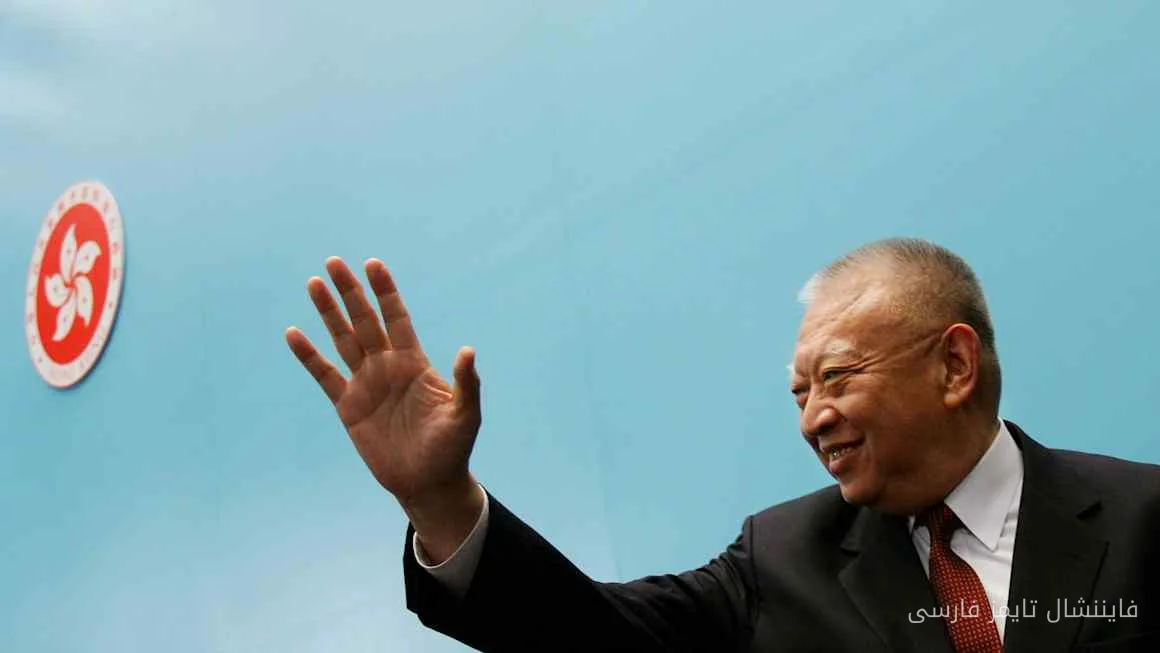
Tung Chee-hwa, the first Chief Executive of Hong Kong who served from ۱۹۹۷ to ۲۰۰۵, is recognized as one of the influential figures in the contemporary history of this region. Born in ۱۹۳۷, he rose to leadership in Hong Kong during times of crisis and significant political and economic challenges. From the Asian financial crisis to the SARS epidemic and the controversial security law, each of these moments was a test of his leadership.
Management Challenges During Crisis
Tung Chee-hwa faced serious challenges. The Asian financial crisis in ۱۹۹۷ led to social and economic unrest in Hong Kong. In this situation, he had to regain the people's trust through economic and social measures. However, this was not always easy, and he faced severe criticism from his opponents.
Then, in ۲۰۰۳, the SARS epidemic brought new challenges for him. This disease not only threatened public health but also caused serious damage to the economy. During this period, Chee-hwa was forced to make tough decisions that directly impacted people's lives.
Controversial National Security Law
In ۲۰۰۳, the attempt to pass the national security law became one of the most controversial issues of his era. This law, introduced to combat terrorism and maintain internal security, faced strong public protests. Many citizens viewed it as a threat to their civil liberties, which fueled social tensions.
Despite these challenges, Tung Chee-hwa always sought to balance public interests with security needs. However, it seemed that these efforts did not lead to a clear outcome, and he was compelled to step back from policymaking.
With his passing, historians and analysts will examine his impact on Hong Kong and the numerous challenges he faced. Tung Chee-hwa remains a lasting figure in the history of this land, and his legacy will always remain in the minds of the people.