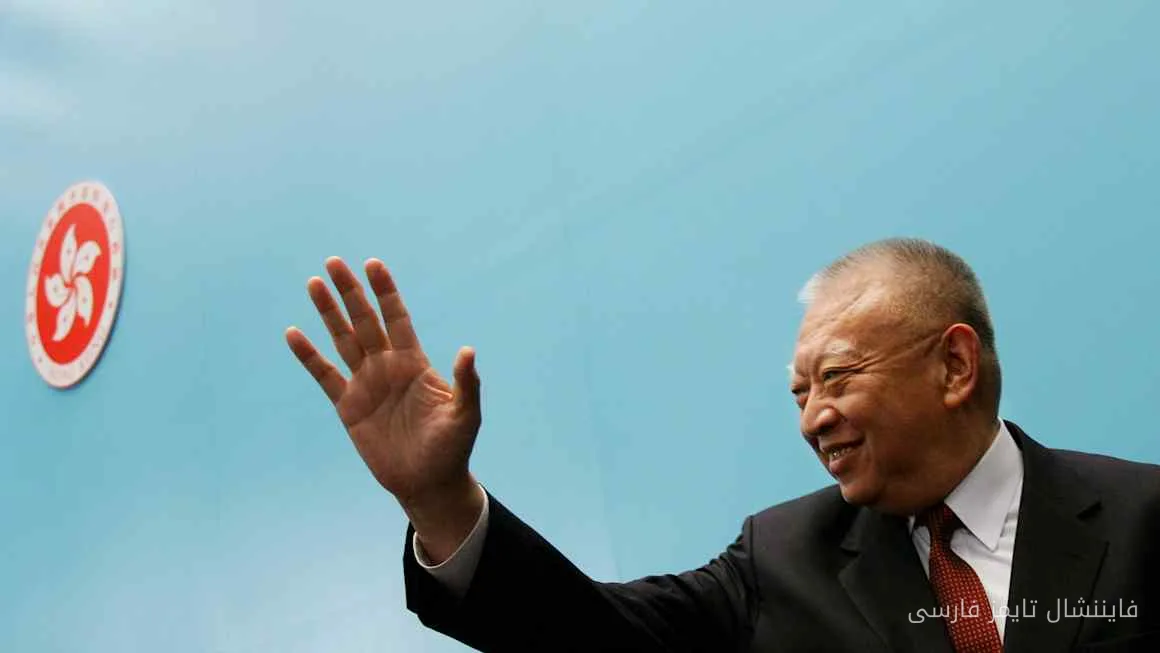
Tung Chee-hwa, the former Chief Executive of Hong Kong, passed away at the age of ۸۹, marking the end of one of the most significant political figures in this region. His leadership period from ۱۹۹۷ to ۲۰۰۵ was marked by multiple economic and social crises, each of which impacted the situation in Hong Kong in various ways.
Financial Crisis and SARS Outbreak
Tung Chee-hwa's government faced serious tensions during the Asian financial crisis in ۱۹۹۷. This crisis, along with the SARS outbreak in ۲۰۰۳, led many residents of Hong Kong to become disheartened and lose trust in the government. Tung, as a leader forced to make tough decisions in a crisis, was under immense pressure during this period.
Security Law and Public Discontent
The security law proposed in the later years of his tenure faced severe criticism and sparked widespread protests. Many residents of Hong Kong viewed this law as a threat to their civil liberties, exacerbating social tensions. During this time, Tung, as a leader, faced serious challenges that negatively impacted his popularity.
Despite the challenges and criticisms, Tung Chee-hwa is always recognized as a key figure in the contemporary history of Hong Kong. He sought to maintain economic stability in difficult conditions and served as a kind of bridge between China and Hong Kong.
How Tung stood firm against crises and his efforts to manage Hong Kong during critical periods have made him a complex and controversial figure. While some criticize him for his shortcomings, others recognize him as a diligent and dedicated leader.