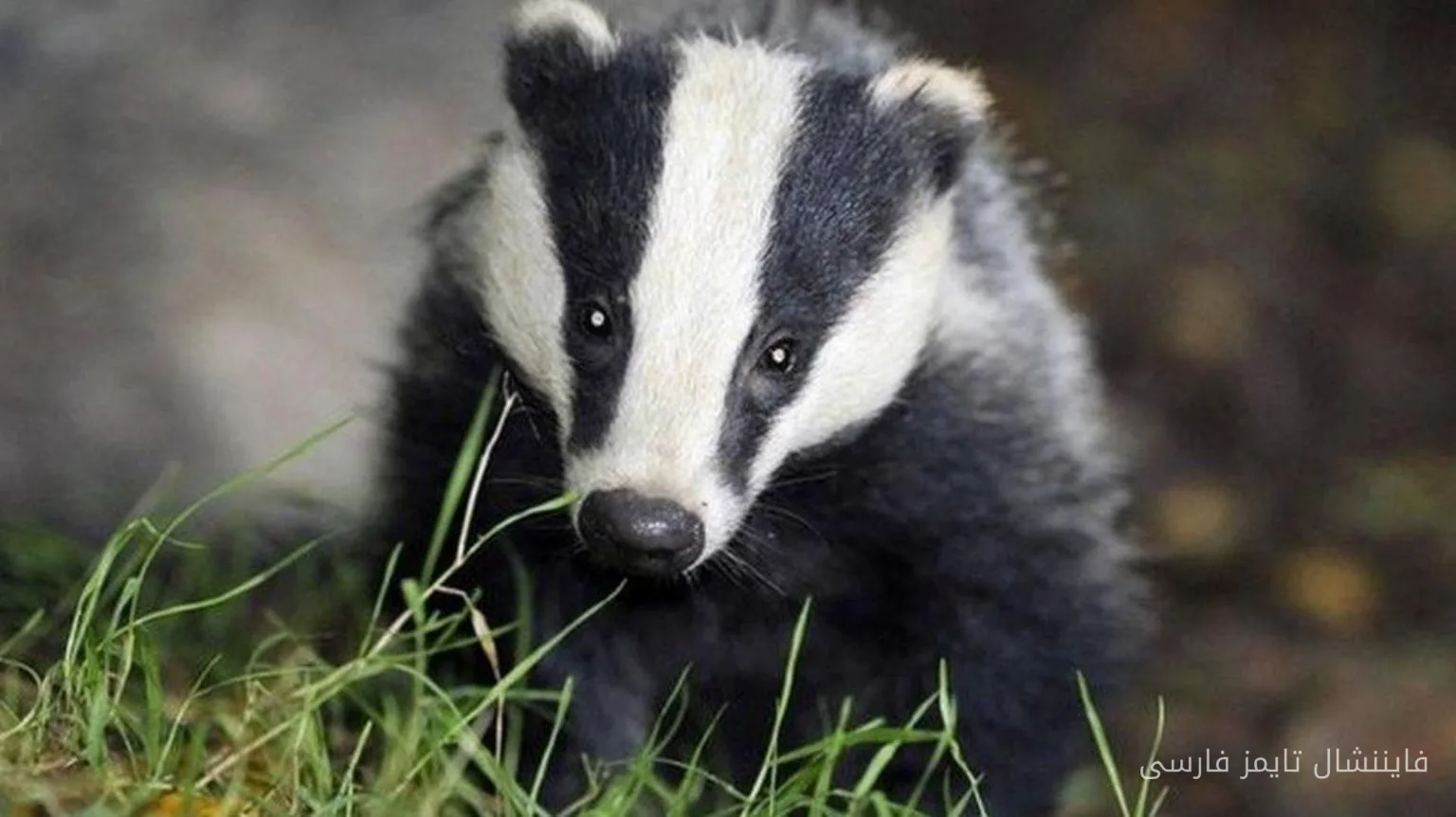
In the world of public health, the issue of vaccinating animals, especially against dangerous diseases, has always been a point of focus. However, regarding the vaccination of animals such as hedgehogs against tuberculosis, researchers point to serious gaps in the evidence. This uncertainty in the data can lead to serious consequences for public health and the ecosystem.
The Need for Monitoring and Detailed Examination
New research indicates that there is a need for more thorough monitoring and evaluation of the impact of vaccines on the prevalence of tuberculosis in animals. Researchers believe that without these examinations, it is impossible to achieve an accurate and effective assessment of the impact of these vaccines. They are calling for a comprehensive review of the existing evidence to reach reliable conclusions.
This issue not only affects the health of animals but may also lead to the spread of disease in humans. Since many diseases can be transmitted from animals to humans, a more detailed examination of the impact of vaccines on animals can help protect public health.
Challenges in the Data
The existing evidence to assess the true impact of vaccination on tuberculosis in animals is insufficient, which can lead to misguided decisions in public health policies. Researchers believe that without necessary reforms, instead of controlling the disease, it may become a factor in its spread.
The necessity for a review in this area is particularly important in the current conditions where concerns about new diseases have significantly increased. Only through careful and continuous analysis can more effective solutions be found and the spread of diseases be prevented.