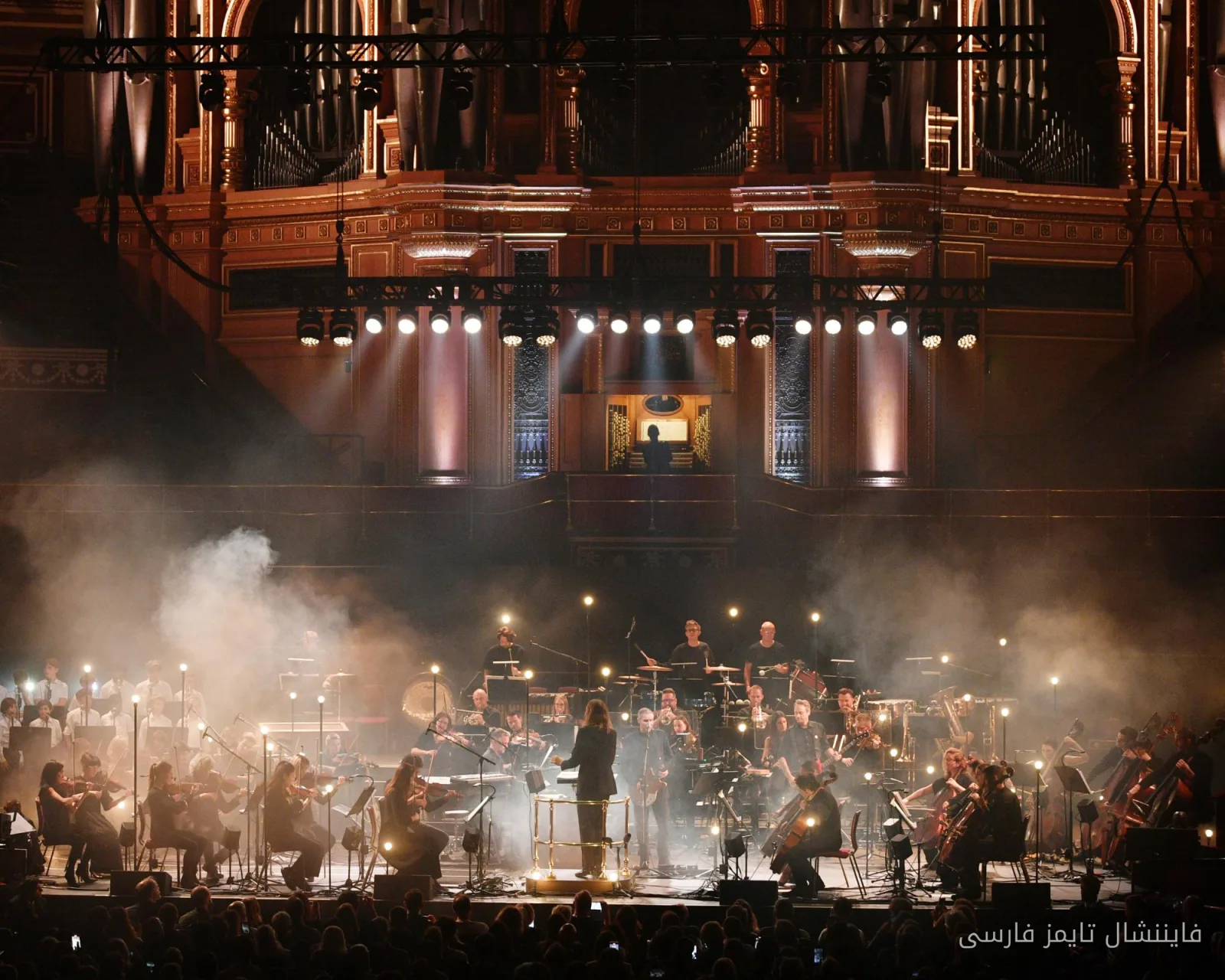
Over the past 18 years, as one of the founders and conductor of the London Orchestra, I have witnessed changes that show how much harder the world of classical music has become for those coming from working-class backgrounds. Although there is always talk of diversity and inclusion, the reality is that entry doors in this industry have been severely closed.
Difficult Paths for Young Musicians
Once, for someone like me from a working-class family, there was an opportunity to learn music. I could pick up an instrument at a public school, benefit from low-cost local music services, and play in youth orchestras, even if I had to play a borrowed viola. But today, these paths have alarmingly faded away.
Nowadays, young artists lacking financial resources face significant barriers. The high costs of education, purchasing instruments, and even expenses related to practice and performance have risen to the point where many talents simply cannot step onto this path. This issue not only harms the music industries but also silences the voices of true and passionate artists.
The Need for Change in Approaches
The music industry requires a fundamental change in its approaches. If we truly believe in diversity and inclusion, we must create conditions that allow artists from all backgrounds and classes to participate in this space. Instead of continuing empty discussions about diversity, we need to take action and pay attention to the harsh realities of young artists' lives.
In conclusion, we must remember that music is more than just an art; it is a universal language that should be accessible to all. If we do not pay attention to this issue, we will not only lose the culture of music but also silence the voices of future generations.