Berkshire Hathaway, as one of the largest and most influential investment companies in the world, has only paid a dividend once since 1965. This decision has significantly impacted the company's financial strategy and raised many questions about how it uses its capital and its growth trajectory.
Berkshire Hathaway's Investment Strategy
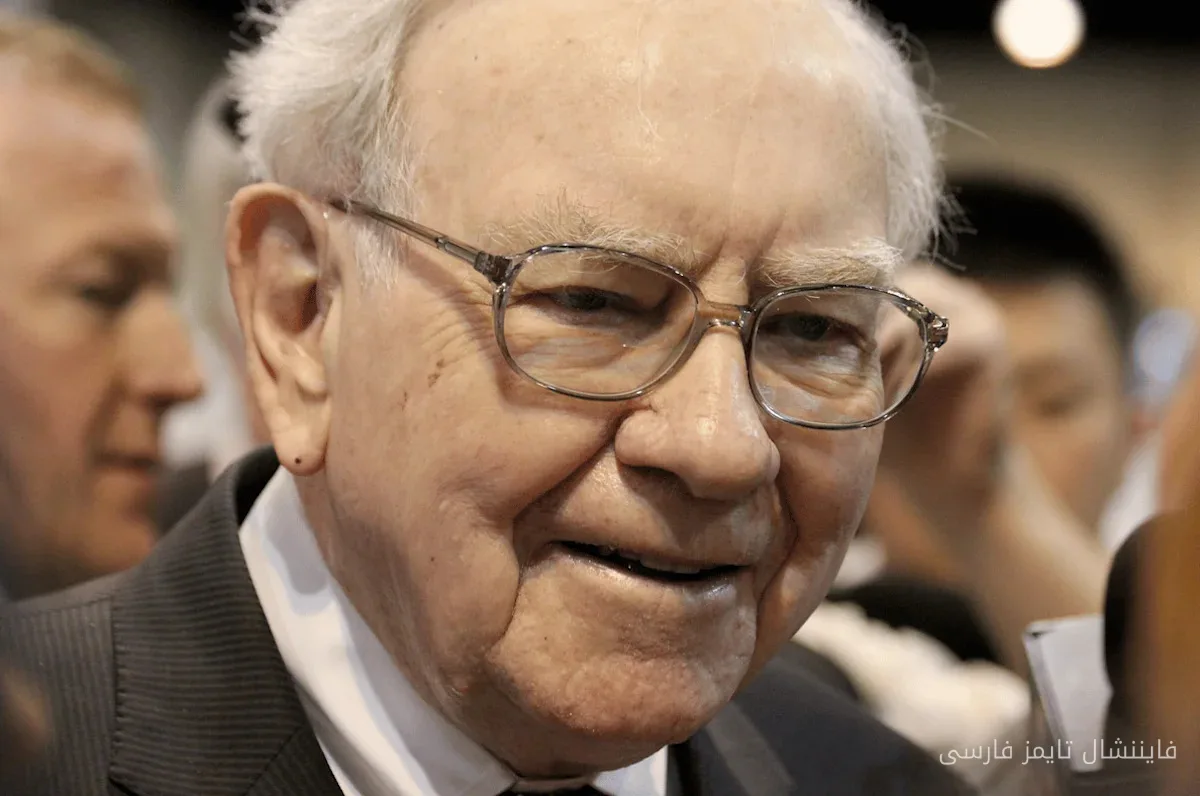
Under the leadership of Warren Buffett, the company has always believed that the best way to increase shareholder wealth is to reinvest profits into new and profitable projects. For this reason, instead of paying dividends to shareholders, Berkshire Hathaway allocates its financial resources to acquiring new companies, investing in stocks, and various other projects.
This policy has enabled Berkshire Hathaway to be successful in terms of growth and profitability in financial markets. Buffett, as a long-term investor, believes that a company's true value increases with continuous investment and development. This approach has also allowed Berkshire Hathaway to identify and capitalize on suitable buying opportunities during market downturns.
The Future Outlook for Berkshire Hathaway
Given the current trends in investments and financial strategies, Berkshire Hathaway seems likely to continue this policy. The company is looking to identify new and profitable opportunities in global markets while maintaining its financial stability. This approach is expected to lead to an increase in stock value and an improvement in the company's financial situation in the near future.
Ultimately, with only one dividend in its history, Berkshire Hathaway has clearly demonstrated that focusing on reinvestment can serve as a successful strategy in the financial world. This approach will benefit not only the company itself but also its shareholders.