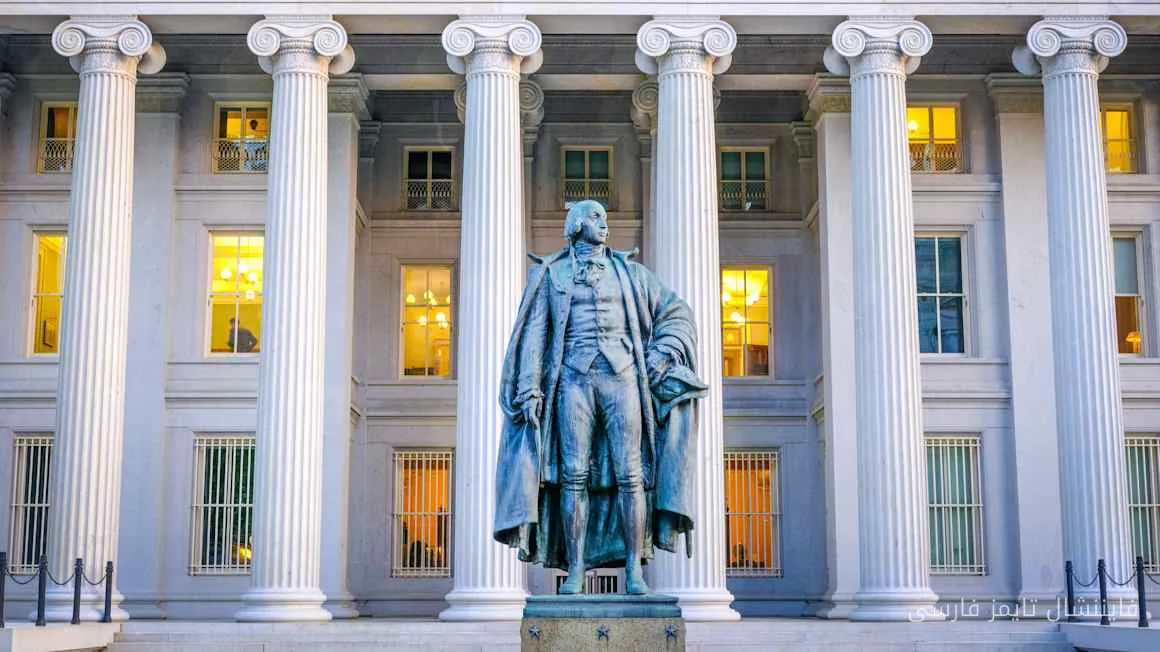
Following the announcement of a $۶ billion buyback plan, financial markets reacted unexpectedly. This move, intended as an effort to boost investor confidence, not only failed to meet expectations but also led to an increase in borrowing costs.
Market Reaction to the Buyback Program
Investors reacted with disappointment to this news, and immediately after the announcement of the plan, the yield on ۱۰-year Treasuries reached its highest level in nearly three years. This trend indicates uncertainty and fear of rising interest rates in the future. Although it was expected that this program could help restore market conditions, the results show that investor confidence continues to decline.
Why Did This Program Fail?
Analysts believe that the lack of transparency in the details of the buyback program and the failure to provide convincing explanations from financial officials have fueled this disappointment. Investors are looking for clear signals regarding future financial policies, and this plan has not been able to meet their expectations. The increase in Treasury yields, as a key indicator in determining borrowing costs and the overall market condition, reflects deeper concerns about the economic outlook.
It seems that markets are currently influenced by fears of rising interest rates and economic instability. Many investors are seeking solutions to preserve their assets, and this situation could lead to significant changes in investment strategies.