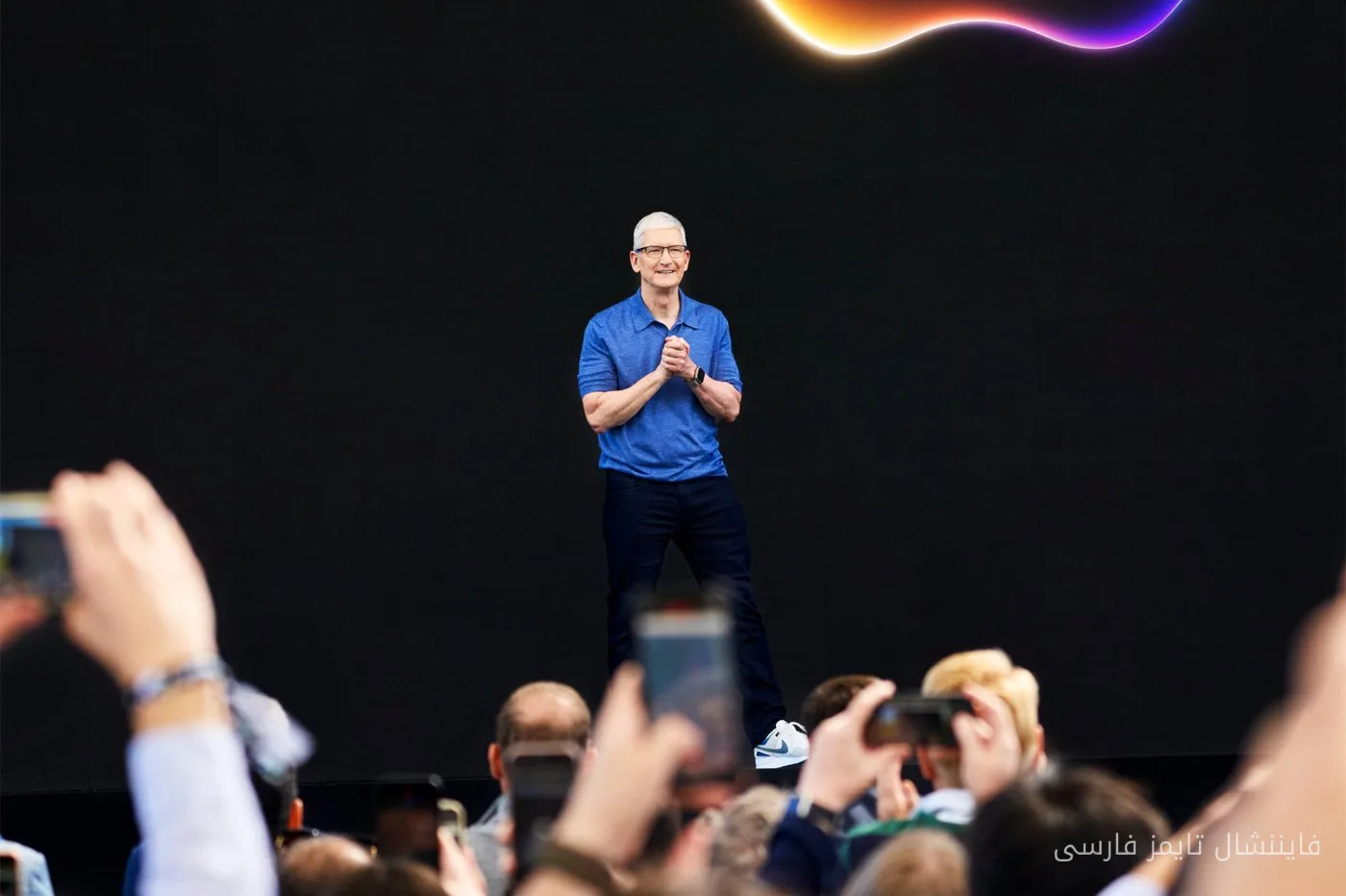
Tim Cook stepped down on September 1 after 15 years of managing Apple (NASDAQ: AAPL). While Cook is not recognized as an innovative leader like Steve Jobs, the founder of Apple, he was able to deliver the popular products developed by Jobs to billions of homes around the world and generate substantial profits for Apple and its shareholders.
The impact of stock buybacks on shareholder returns
Cook's decision in 2012 to return cash to shareholders has had a major impact on shareholder returns in the subsequent 14 years. Since the initial grant of this authorization, Cook has overseen the repurchase of over $880 billion of Apple stock through the second quarter of 2026. The total number of Apple shares outstanding has decreased by more than 44% since the start of stock buybacks in late 2012. In other words, each Apple share that was held by shareholders before the buybacks now represents 80% more of Apple's business than in 2012.
Read more: BofA points to a decline in investment banking revenues in the third quarter
Net income growth and its impact on stock price
Meanwhile, Apple's net income has significantly increased. Apple's net income reached just over $41 billion in 2012, and last year it rose to $112 billion, with nearly $129 billion in the past 12 months. Therefore, while revenues have nearly tripled, earnings per share have increased more than 5.5 times.
Shareholder returns have also been significantly higher. Apple's stock price has increased nearly 12 times since the beginning of the 2013 fiscal year. This growth is due to the multiple increases in Apple's P/E ratio compared to the prices investors paid in the 2010s.
Throughout most of the 2010s, Apple's stock traded at between 10 to 18 times past earnings, which was a very favorable valuation for Apple and attracted Warren Buffett and Charlie Munger to invest in the stock.
Stock valuations in the 2020s have significantly increased, and now this stock has a P/E ratio of 37.5. This increase in ratio is supported by the board's renewed approval for a $100 billion stock buyback. With free cash flow consistently around this level (which has recently increased), Apple should be able to continue large stock buybacks for years to come. With a current market value of about $4.7 trillion, this $100 billion will contribute to approximately a 2% growth in EPS next year.
Tim Cook left Apple in a very strong position for his successor, John Ternus. He takes over the management of a large cash-generating operation that is capable of allocating billions of dollars for expanding existing products and developing new ones. At the same time, Apple continues to generate very strong revenues and returns tens of billions of dollars to its shareholders every quarter.
Read more: Significant increase in Cadia Sesame Mills stock today · Cook's challenge to Ternus: Apple (AAPL) still needs to prove itself in AI