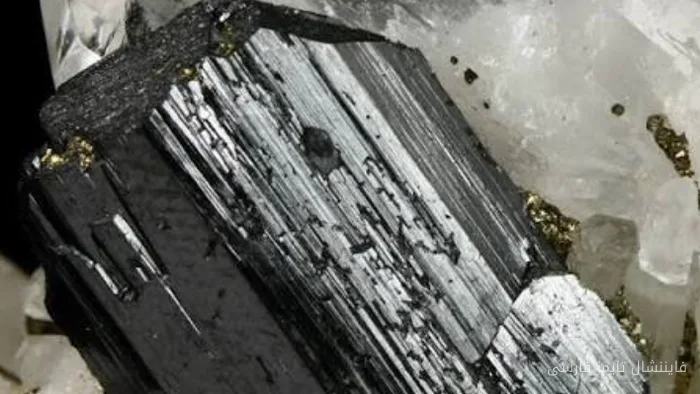
In the wake of intensified resource nationalism globally, various countries have imposed stricter controls over tungsten supply. These developments have impacted the tungsten market and positioned Almonty favorably, while Western buyers seek alternatives to the nearly monopolistic Chinese market.
Increased Restrictions and Almonty's Opportunities
The United States has banned the export of tungsten scrap, and the United Kingdom has invested up to £71 million in Tungsten West. Additionally, Zimbabwe has suspended the export of tungsten and antimony, and Vietnam is also considering restrictions on mineral exports. These developments suggest that resource nationalism may make it more challenging to obtain tungsten deliverable outside of China.
China holds nearly 80% of global tungsten production and has restricted exports of this vital metal for over a year. This supply shortage bolsters the investment case for major producers, especially as deliverable tungsten is in high demand, particularly in light of a new arms race in the United States and Europe.
Almonty and Its Production Plans
As the largest and only conflict-free tungsten producer in North America, Almonty is capitalizing on these opportunities. The company began processing ore at the Sangdong mine in South Korea last June and has transitioned to scalable tungsten production, with the potential capacity to increase to 1.2 million tons of tungsten ore by 2027. In July, Almonty expanded its agreement with Global Tungsten & Powders in Pennsylvania, which includes a 40% increase in contract volume and a 6.3% improvement in prices.
These actions help Almonty gain direct access to the U.S. industrial and defense supply chain. Providing conflict-free tungsten to the United States and its allies has been recognized as an opportunity to create an advantage in securing this vital material.