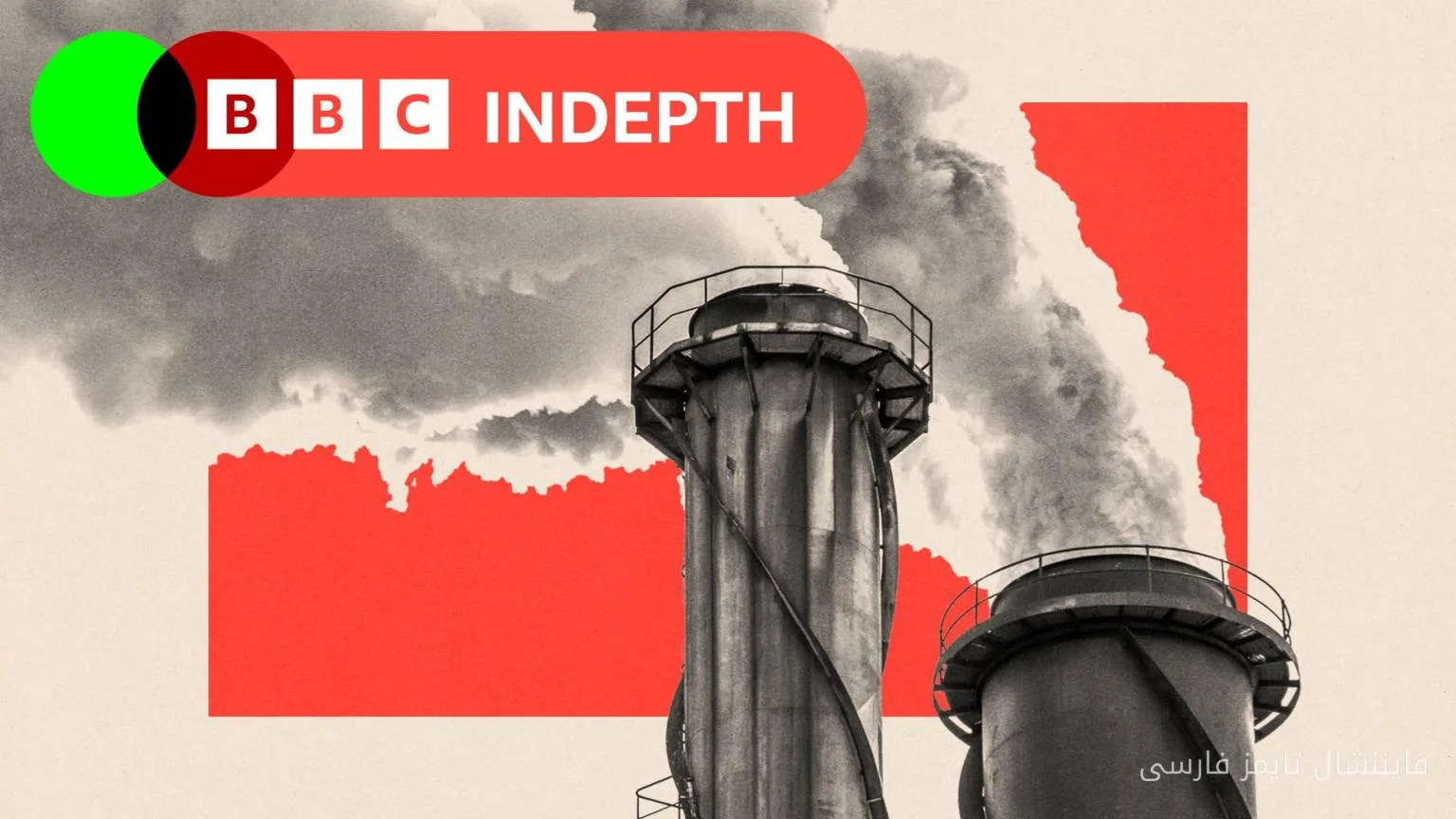
This summer, temperatures in many parts of the world have set new records, and this phenomenon has not only heightened concerns about climate change but also raised new questions about the connection between air pollution and global warming. While efforts to reduce air pollution are increasing, some researchers warn that this action could indirectly exacerbate global warming.
Effects of Air Cleaning
When countries and cities seek to improve air quality, the reduction of particulate matter and pollutants allows sunlight to reach the Earth's surface more easily. This may lead to an increase in temperature, as these particles typically act as a shield and prevent excessive heating of the Earth. Therefore, reducing air pollution could have a surprising outcome: a warmer planet.
This issue has become one of the hot topics among scientists. While cleaning the air is essential for human health, the fact that it may lead to further warming of the planet highlights the complexities of climate change. Many experts point out that we must carefully consider how we can improve air quality without harming the environment.
New Challenges in Climate Science
This worrying phenomenon reminds us that climate science is extremely complex and requires multifaceted approaches. Simply reducing air pollution is not enough; we must also pay attention to its effects on global warming. This new challenge underscores the need for further research and international collaboration to find effective solutions.
Ultimately, this summer's heat, while a cause for concern, also provides an opportunity to reassess our environmental strategies. Can we achieve both air quality and climate sustainability with innovative approaches? This is a question we must answer.